No audio available for this content.
For pest management professionals (PMPs), the 2026 mosquito season is more than just a seasonal shift; it is a “golden opportunity” to provide high-value, rewarding work.
Mosquito management: A growing opportunity for PMPs
This supplement highlights the growing importance of mosquito management services within the pest control industry, positioning them as both a significant business opportunity and a complex operational challenge. As outdoor living spaces become more central to homeowners’ lifestyles, demand for effective mosquito control continues to rise. Homeowners increasingly expect solutions that allow them to comfortably enjoy their yards, patios and recreational areas, especially during peak mosquito season. At the same time, heightened awareness of mosquito-borne diseases reinforces the need for professional intervention, making mosquito management one of the fastest-growing segments in residential pest control.
Environmental drivers: Fueling demand for mosquito control

Multiple environmental and societal factors are contributing to this sustained demand. Warmer temperatures, shifting rainfall patterns and expanding urban development are creating favorable conditions for mosquito populations to thrive across many regions. Some species have expanded their geographic range, further complicating control efforts. These dynamics, combined with the public’s increasing concern about health risks, ensure mosquito management remains top of mind for property owners and a recurring service opportunity for pest management professionals (PMPs).
Business benefits: Recurring revenue and customer value
From a business perspective, mosquito management services offer clear advantages. They provide recurring seasonal revenue, integrate efficiently with existing service schedules and enhance overall customer value. Many companies find that adding mosquito treatments to established pest control routes reduces travel time while increasing profitability. The service also strengthens customer relationships by delivering visible, measurable improvements in outdoor comfort. However, success depends on proper program structure and clear communication, particularly when setting realistic expectations about outcomes. Total elimination is not feasible and educating customers on this point is essential for long-term satisfaction.
Operational strategy: Integrated and proactive control
Operationally, effective mosquito management requires a comprehensive and proactive approach. Rather than relying on one-time treatments, PMPs must combine multiple strategies that target both larval and adult mosquito stages. This includes identifying and addressing breeding sites, applying treatments to resting areas and implementing ongoing monitoring programs. Education plays a critical role, as customers often unknowingly contribute to mosquito problems through standing water sources such as gutters, containers or decorative features. Helping property owners understand and reduce these conducive conditions is key to achieving consistent results.
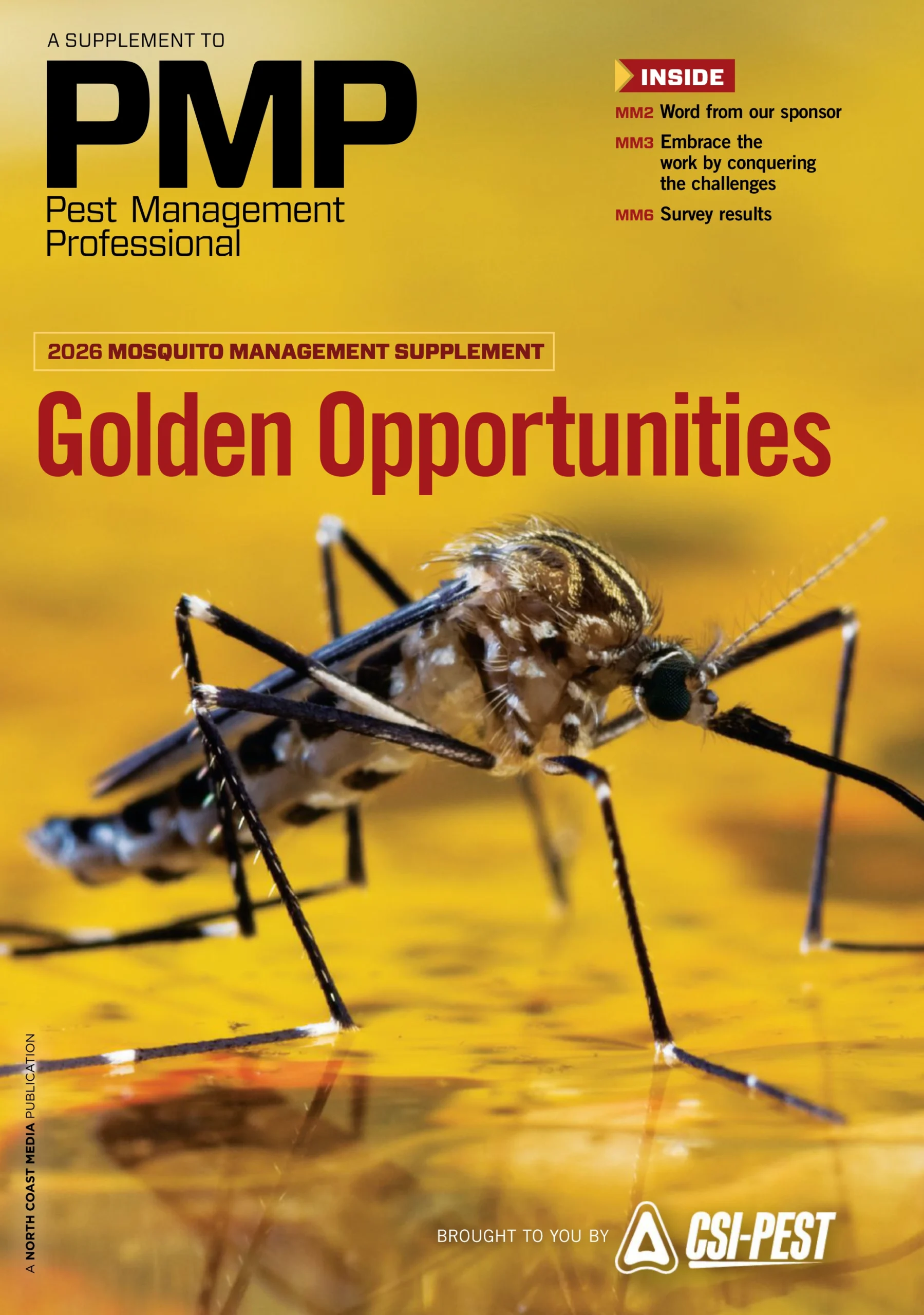
Download below for the latest business, operational and customer-focused strategies in PMP’s 2026 Mosquito Management Supplement.