Listen to this content
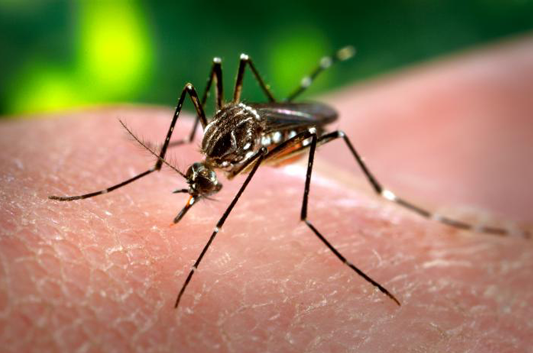
The Centers for Disease Control and Prevention (CDC) has long cautioned the public to be aware of the threat of dengue that infected Aedes spp. mosquitoes can pose through bites. In years past, it reports, most dengue cases in the continental U.S. “occur in travelers infected elsewhere” and only occur locally on occasion.
This year, however, seems to be a little different — particularly for the state of Florida, which at press time has 392 confirmed, locally transmitted cases of dengue statewide, and one death thus far as a result. The CDC keeps a near-real-time count of dengue across the U.S. online at CDC.gov/dengue/data-research/facts-stats/current-data.html.
On Sept. 23, Florida’s Pasco County declared a local state of emergency. A day later, Hillsborough and Pinellas counties followed suit. According to a report by Nexstar Media Group’s Ozarks First, these county-wide orders are in place for seven days and allow authorities “to take emergency measures to protect the community from dengue fever. It also opens up the possibility of federal reimbursement for certain expenses.”
Hillsborough County, which includes Tampa, Fla., leads the number of locally acquired cases at press time at 177. Gay Small, a Tampa woman, died from the illness on Sept. 4, her 80th birthday. Her death, the first in Florida from dengue in a century, was traced to a mosquito bite. County spokesperson Chris Wilkerson was quoted by the Washington Post as saying, “This is wildly unusual for us.”
Officials are saying the number of dengue cases could be underreported, because not every person infected shows symptoms. For those who do, symptoms include rash, nausea, headache, vomiting, muscle and joint pains and a fever above 104 degrees Fahrenheit. The World Health Organization reports that symptoms seem to become more severe and a risk of death increases when the patient is infected a second time. Dengue is sometimes nicknamed “break-bone fever” because of the intense pain joints and muscles can endure.
What PMPs can do
For pest management professionals (PMPs), as with other vector-carried illness outbreaks, communicating protective measures to the public is key. While the number of cases is rising, it is still a very small part of the population overall. The Florida Mosquito Control Association (FMCA) recommends telling the public about the “3 D’s”:
- Dress: Wear long sleeves, long pants and closed-toe shoes when outside.
- Defend: Use U.S. Environmental Protection Agency (EPA)-registered insect repellents containing diethyltoluamide (DEET) or oil of lemon eucalyptus.
- Dump: Empty or cover standing water around homes such as in buckets, flowerpots and birdbaths at least weekly to deter mosquito breeding sites.