Listen to this content
Small fly infestations in food-and-beverage environments remain a persistent challenge in structural pest management. In many cases, technicians respond to adult fly activity while the true source remains hidden within the plumbing system — inside what the industry commonly refers to as a “sugar snake.”
Biology and behavior
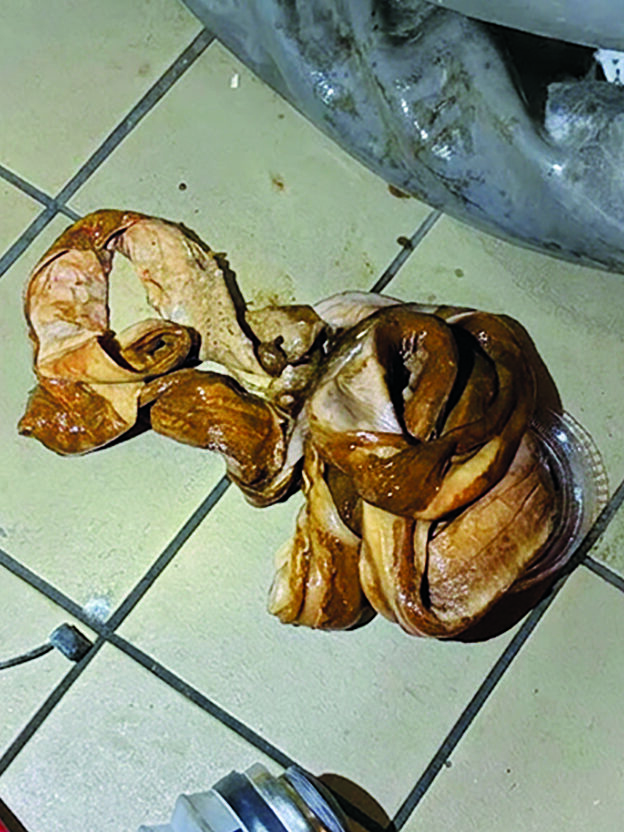
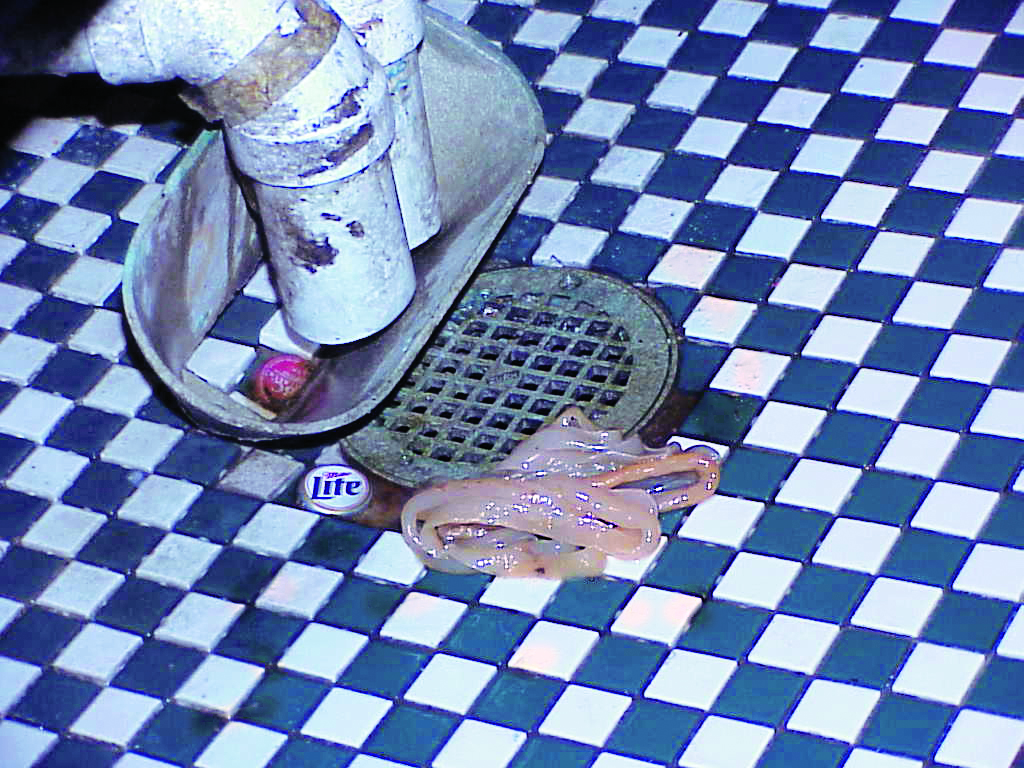
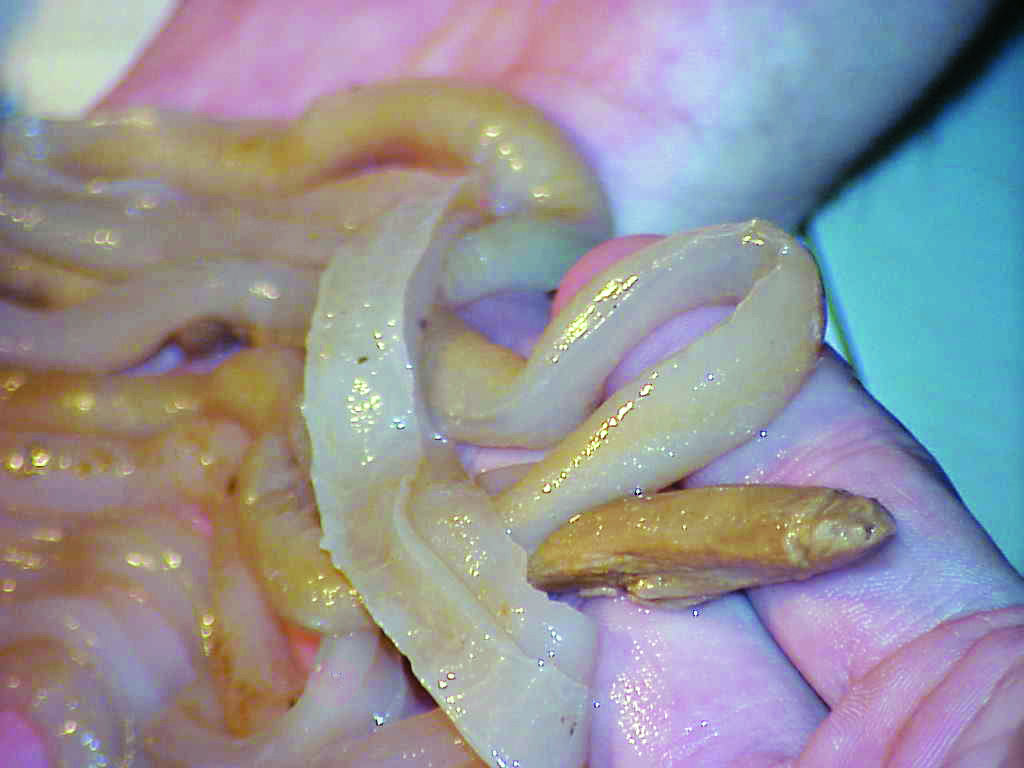
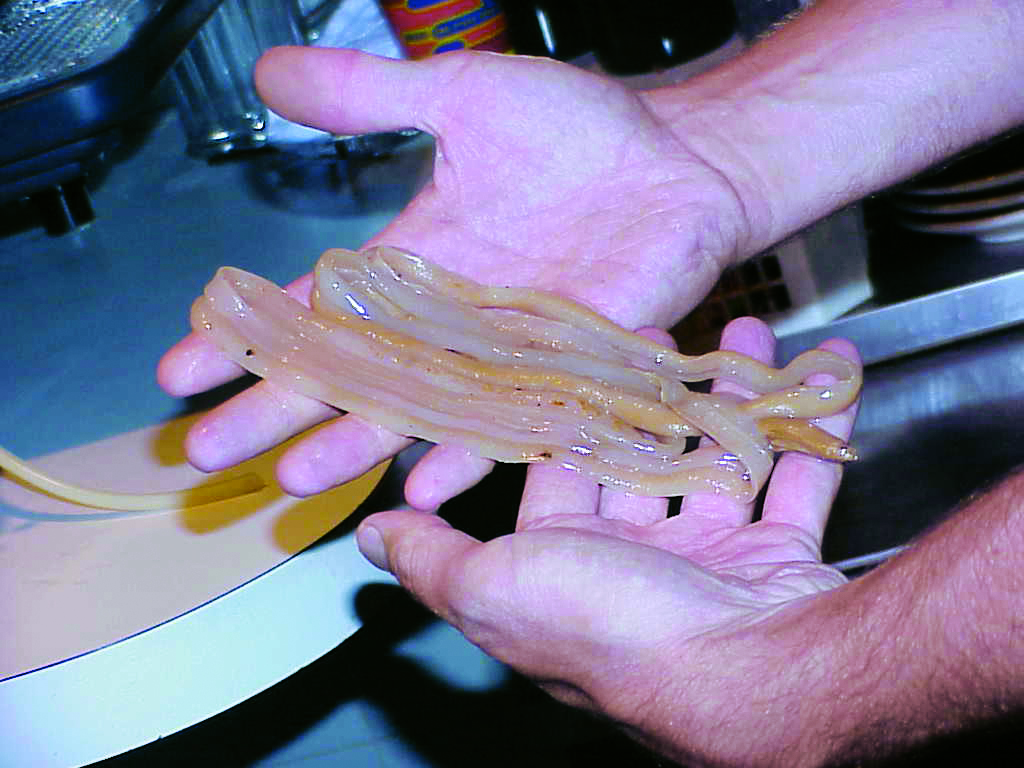
Sugar snakes are rope-like accumulations of organic biofilm that develop inside drains and drain lines. These deposits are composed of sugars, syrups, grease, yeast, bacteria and organic debris. Over time, microbial activity binds these materials into dense, semi-solid structures that adhere to drain surfaces and continuously trap new organic input, creating a stable breeding environment. Fig. 1 illustrates a typical example of this biofilm formation in a commercial drain system.
Similar conditions also can occur in other high-organic systems, especially in bakery syrup delivery lines and nut-processing facilities such as pecan-handling operations, where oils and sugars combine to support comparable biofilm development.
Fruit flies (Drosophilidae), phorid flies (Phoridae) and drain flies (Psychodidae) commonly exploit these habitats. Their larvae develop within the biofilm matrix rather than open water, which provides both nutrition and protection. This explains why surface cleaning or intermittent treatments often fail to resolve recurring infestations.
Control and prevention
One key field challenge to preventing sugar snakes is that source drains frequently are concealed. The most productive sites often are located beneath beverage equipment, ice machines, refrigeration units and other fixed installations where cleaning is limited. Systems receiving multiple condensate or drip lines are especially prone to accumulation because of constant moisture and low airflow conditions.
Effective management requires shifting from adult suppression to source elimination. Once identified, the biofilm must be physically removed through mechanical cleaning, foaming or flushing to disrupt the organic matrix. Treatment must extend beyond the drain opening to internal surfaces and surrounding contamination zones.
Bio-enzymatic drain products are sometimes used in maintenance programs and may help reduce organic residues over time. However, field experience shows that physical removal remains essential.
Too often, technicians will correctly identify the source and recommend corrective cleaning, yet responsibility for the physical removal may fall to other personnel. Without clear communication and documented follow-through, the sugar snake may persist even after proper identification. Closing this gap requires clear service documentation, defined corrective responsibilities, and confirmation that cleaning has been completed.
It might make sense to remove the snake as part of treatment and charge accordingly, rather than relying on the customer to perform the task.
The key principle is straightforward: Small fly management is not about adult control. It is about eliminating the hidden ecosystem that produces them.