No audio available for this content.
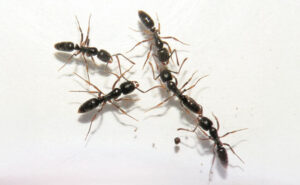
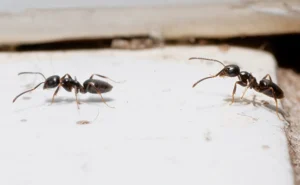
Ant pressure isn’t slowing down, and pavement ants remain one of the most persistent species PMPs face. This edition gives you fast, field‑ready insights to sharpen your identification skills and strengthen your control strategies. As the feature notes, pavement ants “excavate soil and create nests under sidewalks and driveways,” making them a constant threat in urban environments.
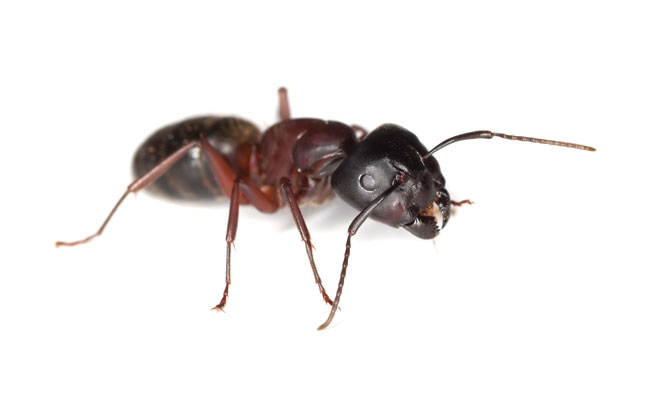
You’ll get a clear breakdown of key ID traits — from their “2.5 millimeters to 4 millimeters” size range to their two‑node petiole and distinctive propodeal spines. The edition also highlights their colony structure, swarm timing and even their ritualized territorial wars, driven by cuticular hydrocarbon cues that help them distinguish nestmates from rivals. These biological details translate directly into better control decisions.
You’ll also find practical guidance on baiting, perimeter treatments and exclusion. The edition emphasizes that exterior applications and sanitation steps are essential, noting that preventing entry points, trimming vegetation and repairing moisture issues can dramatically reduce infestations.
If you want to reduce callbacks, improve accuracy and deliver more consistent results, this ant management edition is a must‑read.