No audio available for this content.
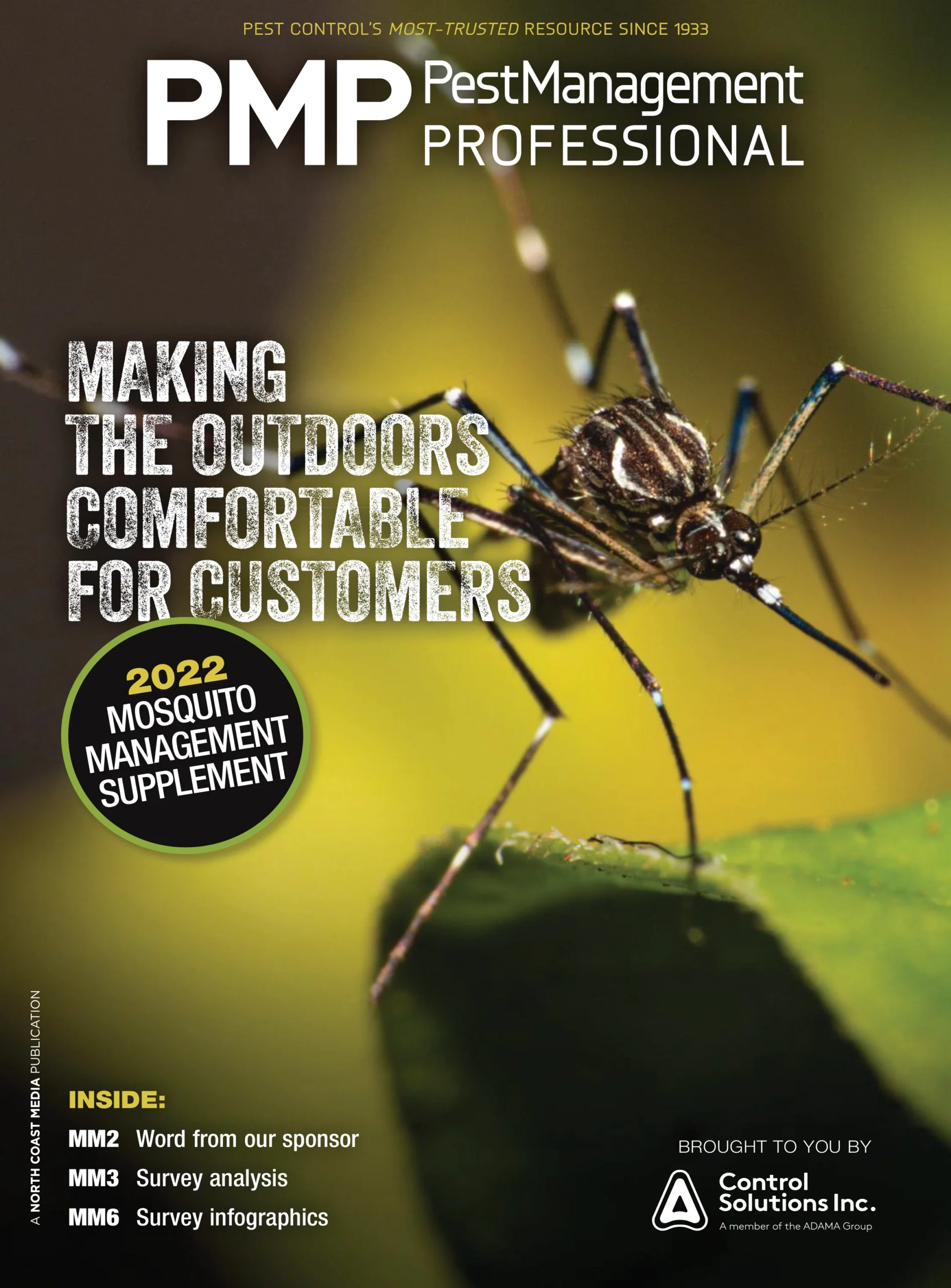
The 2022 Mosquito Management Supplement gives PMPs a practical, data-backed look at how mosquito services are evolving — and how companies are turning seasonal demand into reliable recurring revenue. This edition blends technical insight from CSI with survey findings and real-world commentary from PMPs who are navigating customer expectations, weather challenges, and the growing public-health awareness around mosquito-borne diseases.
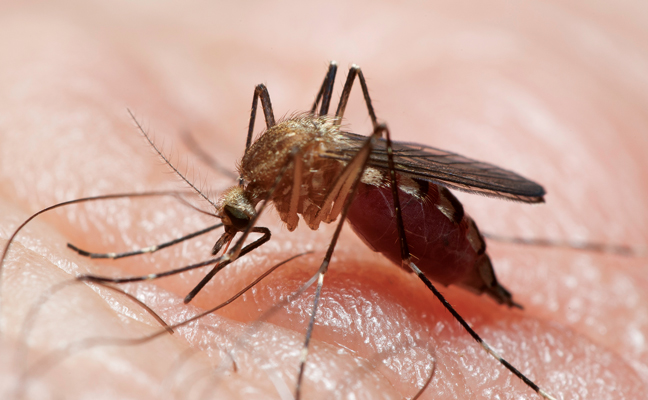
Readers will find actionable guidance on identifying breeding sites, communicating the difference between nuisance and vector species, and setting realistic expectations for suppression — not eradication. The supplement also highlights how PMPs are using larvicides, barrier treatments, and customer education to reduce callbacks and strengthen long-term retention. As one expert notes, “Mosquito management is the ultimate add-on service,” and the survey data backs that up: 77% of PMPs projected revenue growth that year.
This edition is especially useful for training new technicians, refining inspection protocols, and helping office staff understand how to position mosquito control as both a comfort service and a public-health benefit. If you want a clear, grounded snapshot of what drives successful mosquito programs, the 2022 supplement delivers.
Download it to sharpen your team’s approach before peak season hits.