Listen to this content
Ants have consistently ranked among the Top 3 pests for a long time, and successful management combines several approaches.
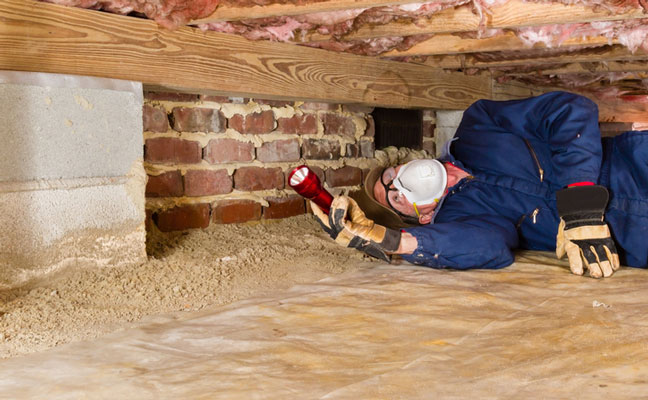
Remember, the inspection informs your treatment. Whenever possible, time inspections during peak windows to identify activity. Work with your customers to eliminate conducive conditions and structural moisture issues. Ant foraging is strongly influenced by temperature, humidity and resource distribution.
Don’t focus solely on locating foraging trails; look for moisture-rich microhabitats and entry points. Research consistently shows that colonies are sustained by dispersed foraging networks, so prioritize targeted bait placement rather than broad insecticide spraying.
Try offering carbohydrate- and protein/lipidbased bait matrices simultaneously, as nutritional preferences shift seasonally and with colony brood demands. Use slow-acting, transferable baits and eliminate competing resources to maximize uptake.
Most of all, practice patience. You want ants recruiting to the bait. Bait foraging networks require stability, so avoid disrupting trails. Do not wipe trails or alter pathways during active treatments. If recruitment slows, switch it up! Pest control is most successful when you adapt to what you observe.