Listen to this content
This week, officials confirmed that a resident in New Jersey has become the first patient diagnosed with Zika virus in the state since 2020. According to the U.S. Centers for Disease Control and Prevention (CDC), this is the sixth case in the U.S. in 2026 — all of which have been traced to international travel, and not from mosquitoes in the U.S. The CDC considers the U.S. to be at low risk for an outbreak at this time.
It is making headlines this time around regardless, however, because of the domestic outbreaks of Zika in the U.S. in 2015 and 2016. Per the CDC:
- In 2017, the number of reported Zika cases in the United States started to decline.
- Since 2018, there have been no reports of Zika virus transmission by mosquitoes in the continental United States.
- Since 2019, there have been no confirmed Zika cases reported from U.S. territories.
The CDC points out that, since 2019, “all locally acquired cases of Zika in the U.S. territories were diagnosed by antibody testing. Since antibodies against Zika virus can persist for years after infection, serology cannot distinguish between a recent or past infection. Additionally, Zika and dengue virus antibodies cross-react, making it difficult to diagnose which virus is the cause of the current illness. Since 2019, there have been no confirmed Zika virus disease cases reported from U.S. territories.”
The National Pest Management Association maintains a web page for today’s consumers who may be concerned about Zika online at PestWorld.org/news-hub/pest-health-hub/zika-virus-what-you-need-to-know. In addition, back in 2016, the association offered these talking points for pest management professionals who may have customers asking for more information (lightly edited here):
GENERAL TALKING POINTS
How is Zika virus transmitted?
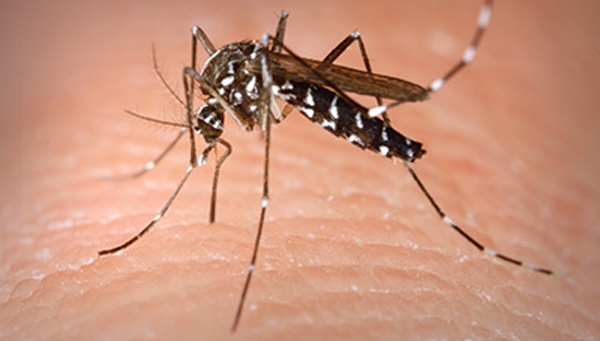
Zika virus is spread through the bite of an infected Aedes genus of mosquitoes, which is the same mosquito species that carries dengue fever and chikungunya. Yellow fever mosquitoes (A. aegypti) are the primary carriers, but Asian tiger mosquitoes (A. albopictus) might also transmit the virus.
What are the chances of an outbreak in the United States?
While we can’t speculate on the virus and its potential to spread, it is better to be prepared and practice vigilance in mosquito control by protecting yourself from coming into contact with mosquitoes and by eliminating breeding grounds at home should there begin to be cases of local transmission here in the United States. So far, all human cases reported in the U.S. have resulted from travel abroad.
How can I prevent mosquitoes?
Most counties have a mosquito abatement program in place to minimize the local population and help keep the public safe. These programs typically involve trapping mosquitoes in different areas and testing them for known pathogens. This helps monitor the spread of diseases and warn the public of risks in the area. County programs may also include plans for periodic spraying or fogging to eliminate adult mosquitoes. Other preventative methods include:
- If you are concerned about mosquito activity on your property, contact a pest management company or your local health department.
- Eliminate areas of standing water around the home such as flowerpots, birdbaths, baby pools, grill covers and other objects where water collects. Mosquitoes lay their eggs in water where the larvae develop and need only about 0.5 inch of water to breed.
- Screen all windows and doors. Repair even the smallest tear or hole.
- Minimize outside activity between dusk and dawn, when the majority of mosquitoes are most active.
- If you must spend time outdoors during peak mosquito times, or when you will be outdoors for extended periods, wear long pants and sleeves and use an insect repellent containing DEET, picaridin or oil of lemon-eucalyptus.
- It is especially important to wear effective insect repellents and protective clothing if traveling outside the U.S. Mosquito-borne diseases that may be rare in the U.S. are common in many foreign countries.