Listen to this content
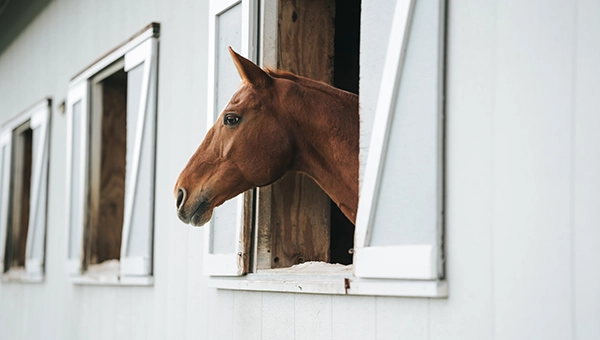
A contributor article published via Boston 25 News outlines how biting insect activity, specifically flies, mosquitoes and midges, affects horse behavior, with documented responses including tail swishing, stomping, agitation and reduced feeding or focus. The piece also links environmental conditions such as manure buildup, damp bedding, standing water and poor ventilation to increased pest presence.
Behavior as an inspection indicator
The article’s documentation of specific equine behaviors provides PMPs with visible, real-time indicators of pest activity. Tail swishing, stomping and restlessness can be used as supporting evidence during inspections to help identify active pest pressure, particularly in cases where insect populations may not be immediately visible.
Environmental targeting and source reduction
The identified contributors, manure accumulation, moisture and ventilation, reinforce the importance of sanitation and environmental modification as core control measures. These factors can be directly incorporated into service protocols by focusing on:
- Manure and organic waste management as fly development sites
- Standing water as a mosquito production source
- Airflow and humidity as conditions influencing pest activity
Timing-based service strategies
The noted activity patterns of mosquitoes and midges (increased activity at dawn and dusk) provide actionable timing insights.
- Align treatment applications with peak pest activity periods
- Recommend operational adjustments (e.g., turnout timing) as part of integrated pest management (IPM) programs
Physical controls as supplemental measures
The article references fly masks, sheets and wraps as protective tools. For PMPs, this reinforces the role of physical barriers as part of a layered IPM approach, particularly in sensitive environments like equine facilities where chemical use may be limited or closely managed.
Link pest pressure to performance outcomes
The documented association between pest exposure and reduced grazing, rest and responsiveness provides PMPs with measurable, outcome-based talking points. Rather than framing pest control solely around insect reduction, professionals can tie service value to:
- Animal comfort
- Behavioral stability
- Operational performance within equine facilities
Program framing
Overall, creating an approach that is observation-driven, environment-focused, timing-aware and integrated in multiple layers is the key to calming not only a horses nerves, but your client’s as well.