Listen to this content
Hantavirus in the news
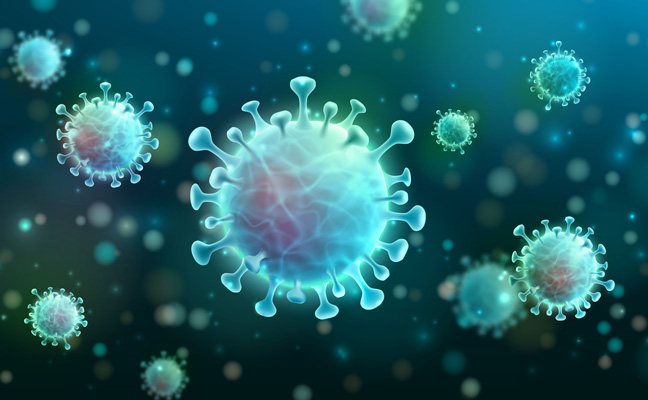
Hantaviruses are a group of viruses carried by rodents, the World Health Organization (WHO) says. It can cause severe disease in humans, who often become infected via contact with infected rodent urine, droppings, or saliva.
In the case of the outbreak on the Oceanwide Expeditions cruise ship, MV Hondius, a married couple is believed to have contracted the virus when they disembarked to explore an island teaming with wildlife. They had the Andes strain of the virus, which is found in South America and is known to spread through limited human‑to‑human contact, according to WHO. As of May 7, eight cases have been confirmed and three passengers have died.
WHO says hantavirus is rare, but it can be deadly. Last April, Pest Management Professional (PMP) reported on three fatal hantavirus cases in California that made headlines because one of the victims was Betsy Arakawa, wife of actor Gene Hackman. Those cases were believed to have been caused by inhaling airborne particles of virus in the droppings, urine or saliva of infected mice.
How to lower the risk of disease when cleaning up after rodents
The U.S. Centers for Disease Control and Prevention (CDC) offers tips on how to clean up after rodents and says taking precautions will reduce the chance of becoming sick.
Because diseases often are spread to people when they breathe contaminated air, the CDC advises against vacuuming or sweeping rodent urine, droppings, or nesting materials.
To prevent tiny droplets containing viruses from getting into the air, the CDC recommends using a wet cleaning method. When cleaning up rodent urine and droppings:
1. Put on rubber or plastic gloves.
2. Spray urine and droppings with a bleach solution (1 part bleach to 9 parts water) or a U.S. Environmental Protection Agency-registered disinfectant until very wet. Let it soak for 5 minutes or according to the instructions on the disinfectant label.
3. Use paper towels to wipe up the urine or droppings and the cleaning product.
4. Throw the paper towels in a covered garbage can that is regularly emptied.
5. Mop or sponge the area with a disinfectant. Clean all hard surfaces including floors, countertops, cabinets and drawers.
6. Wash your gloved hands with soap and water or a disinfectant before your removing gloves.
7. Wash your hands with soap and warm water after removing your gloves. Use a waterless, alcohol-based hand rub when soap is not available, and your hands are not visibly soiled.
The CDC also offers tips on how to clean up dead rodents or nests, as well as how to clean areas such as homes, cabins, vehicles and clothing.