Listen to this content
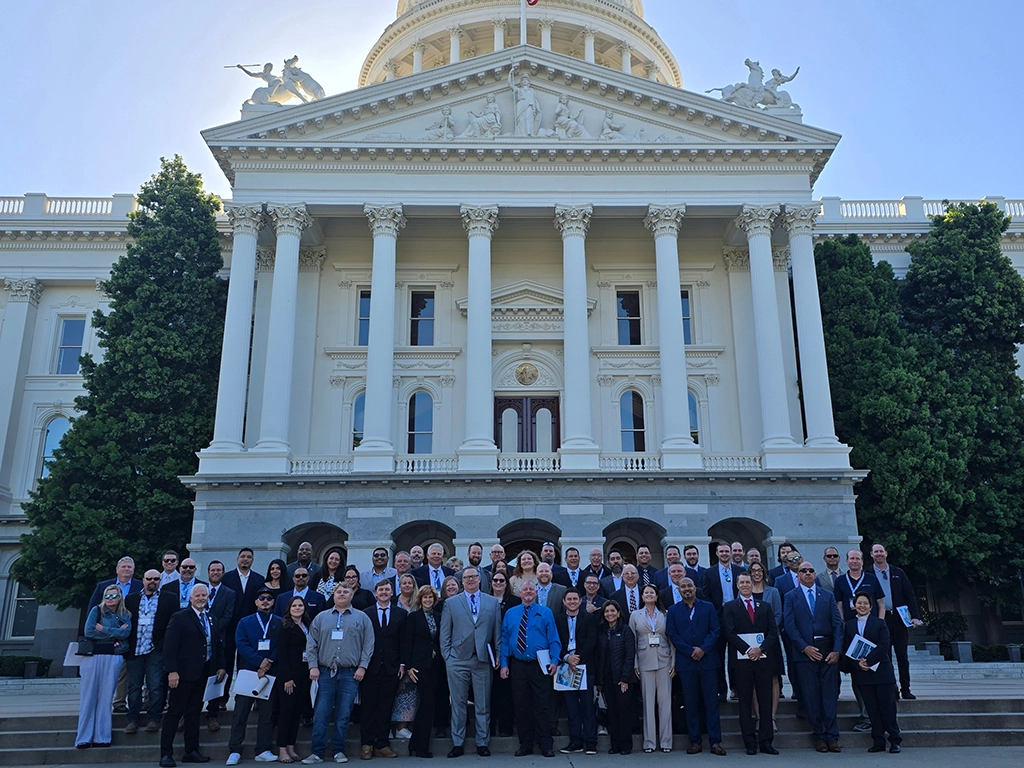
The California Pest Management Association (CAPMA) hosted its largest Legislative Day since 2017 as pest management professionals from across California gathered in Sacramento to meet directly with lawmakers and discuss the operational realities facing the structural pest management industry.
Throughout the event, participants met with legislative offices to address workforce development, licensing timelines, regulatory implementation and the need for policies that remain workable for small and mid-sized businesses while supporting public health.
A key focus of this year’s discussions was Assembly Bill 2477, authored by Assembly member Christopher Chen. The bill is intended to help address workforce pipeline challenges by allowing technicians to begin working under defined conditions while completing the licensing process.
Industry professionals shared firsthand insight on hiring delays, training investments, service capacity limitations and the operational strain extended licensing timelines can place on pest management companies.
“Legislative Day gives our industry the opportunity to have real conversations with policymakers about what is happening on the ground for California businesses,” said Crystelle Turlo, CEO of CAPMA. “This year’s turnout and engagement showed strong commitment to protecting public health while advancing practical, workable solutions that support the future of the profession.”
Participants also reported strong engagement from legislative offices throughout the Capitol, with discussions centered on maintaining professional standards while ensuring businesses can recruit, train and retain a qualified workforce.
CAPMA’s Legislative Day brings licensed pest management professionals into direct conversation with state leaders on issues affecting housing, food facilities, schools, businesses and public health infrastructure across California.
About the California Pest Management Association
The California Pest Management Association represents the state’s structural pest management professionals through advocacy, education and technical resources, supporting the industry’s role in protecting public health, property and the food supply.