Listen to this content
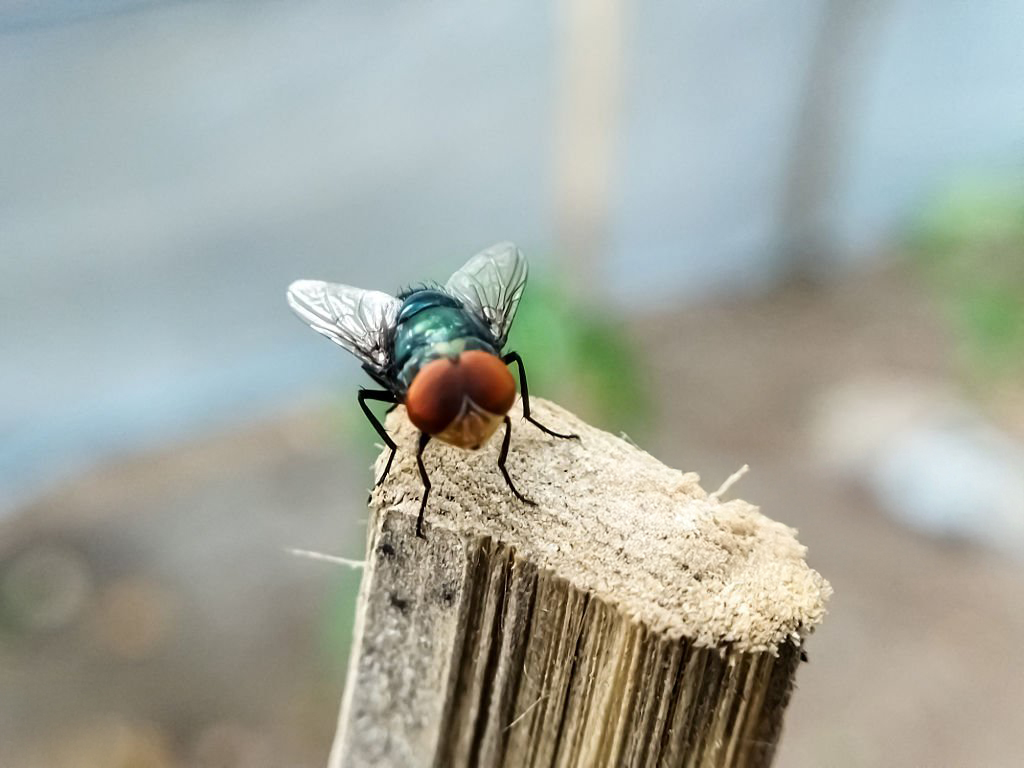
As Texas responds to the growing threat of New World screwworm (NWS), experts at Texas A&M are applying lessons learned from previous outbreaks while supporting field operations aimed at containing the pest.
Immediate response
The response intensified June 13 when the Texas A&M Veterinary Emergency Team (VET) deployed to the Texas Hill Country to assist the Texas Animal Health Commission with inspections, treatments and sample collection in areas under investigation or within designated NWS zones. The initial deployment included 12 faculty and staff members, with additional personnel expected to rotate in as response efforts continue.
The deployment follows the June 3 confirmation of NWS in a Texas calf, the first detection in the state since the parasite’s northward progression from Central America was observed in 2023. Since then, additional cases have been identified in Texas and New Mexico, including infestations involving a dog and a goat.
While VET members assist with response efforts on the ground, Texas A&M AgriLife experts are drawing on experience gained during Florida’s 2016 New World screwworm outbreak to help guide Texas’ strategy.
Winning the NWS war
Among them is Dr. Phillip Kaufman, head of the Texas A&M Department of Entomology, who played a key role in Florida’s eradication efforts. During that outbreak, Dr. Kaufman served as an extension scientist and associate professor at the University of Florida, helping provide information and resources to local communities and agricultural stakeholders.
The Florida outbreak was ultimately contained through a coordinated, multi-agency response that included sterile male fly releases, treatment of affected animals and ongoing surveillance. Dr. Kaufman said he believes Texas is in a stronger position than Florida was a decade ago because officials have been tracking the pest’s movement north through Mexico.
“The outbreak in Florida occurred without any prior warning indicators,” Dr. Kaufman said in an interview with United Press International journalist Joe Fisher. “Because we are currently aware of the New World screwworm’s northern movement in Mexico, Texas is in a better position to proactively plan and execute an effective response.”
“We’ve won this battle before, and we can win it again,” Dr. Kaufman added.
That preparedness is a key reason Dr. Kaufman remains optimistic about the current situation. In an interview with Yahoo! News, he emphasized that the United States has successfully defeated the pest before and has the tools needed to do so again.
Where PMPs play a role
For pest management professionals (PMPs), the response underscores the importance of surveillance, early detection and rapid reporting. Dr. Kaufman has encouraged PMPs and widlife control operators (WCOs) to establish monitoring programs and maintain relationships with veterinarians and other resources before cases occur.
Meanwhile, Texas officials continue to urge livestock producers, veterinarians and animal owners to inspect animals regularly and report suspicious wounds or infestations quickly. As response operations expand, Texas A&M’s veterinary and entomology experts remain at the center of efforts to prevent the pest from gaining a foothold in the state.
Read PMP’s coverage of the ongoing NWS outbreak:
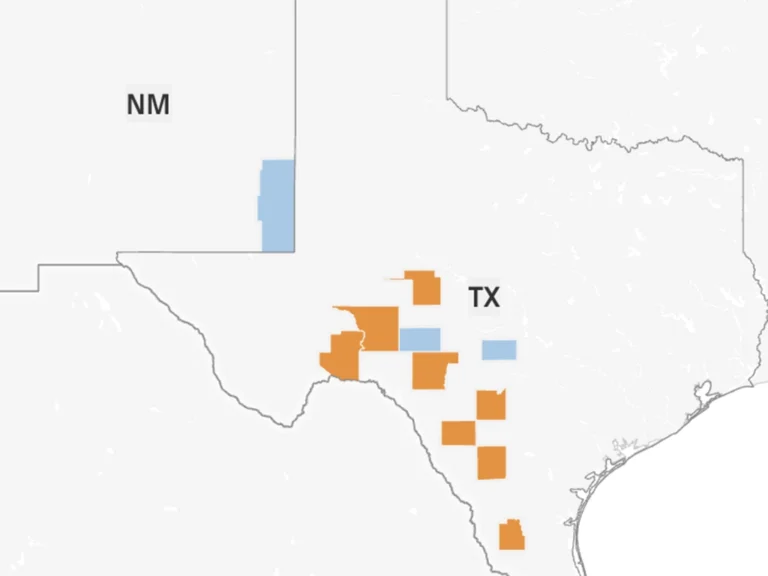
USDA: Southwest US screwworm cases rise to 27
New World screwworm has now been detected across two U.S. states.
READ MORE