Listen to this content
Pest management professionals (PMPs) and more importantly, their clients, are well aware of diseases transmitted by ticks and mosquitoes because illnesses such as West Nile virus has made headlines lately. Just this week, two people in North Carolina died due to West Nile virus, according to the state’s Department of Health and Human Services, according to The News & Observer.
The data confirm this trend, as a Centers for Disease Control and Prevention (CDC) report tracked the most reported causes of these arboviral diseases, and West Nile virus tops its most recent list.
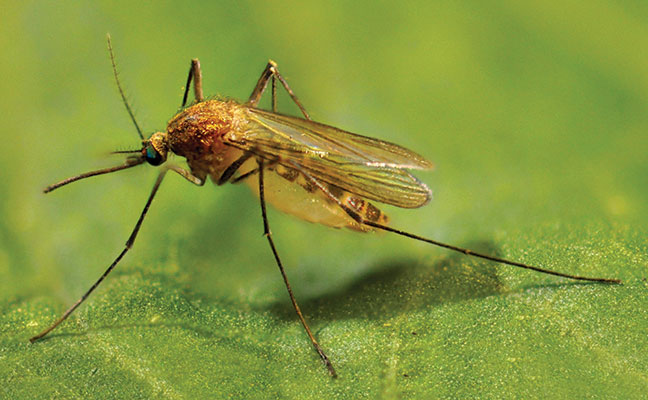
West Nile virus was the most reported cause of arboviral disease in the United States in 2024, the report showed. In 48 states and the District of Columbia, 1,955 arboviral disease cases were reported in 2024, including 189 deaths. West Nile virus accounted for 1,808 of those cases, or 92 percent of the reported arboviral disease cases. Of those, 173 patients died. Reported West Nile virus cases in 2024 dropped below the 10-year median of 2,162 cases, however.
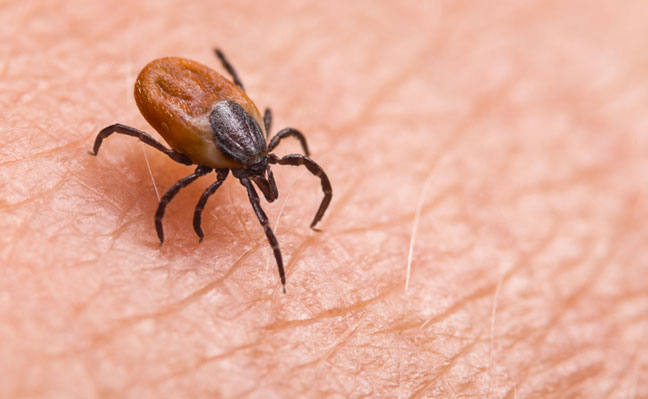
The second most reported arboviral disease in 2024 was Powassan virus. The 60 cases that year surpassed the previous high of 49 cases in 2023. All 60 patients were hospitalized and nine died. Over the past 21 years, the number of Powassan virus cases increased by an average of 17.5 percent annually, according to the CDC report.
Notably, the Kay Hagan Tick Reauthorization Act was signed into law Sept. 30 of this year to extend federal initiatives to combat tick-borne diseases first established through the Kay Hagan Tick Act. The law is named for former Sen. Kay Hagan, D-N.C., who died in October 2019 from complications of Powassan virus.
“The 2024 data show arboviruses continue to be a significant threat to people’s health in the U.S.,” a CDC spokesperson told Infectious Disease Special Edition. “With no medicines or vaccines available to treat or prevent arboviruses endemic in the U.S., it is especially important for people at higher risk to take steps to prevent mosquito and tick bites, particularly as there has been an early and strong start to the arboviral season in 2026.”
The CDC offers tips on how to prevent tick and mosquito bites. It acknowledges exposure to ticks may occur year-round, and mosquitoes may be active day and night. PMPs can share the CDC’s tips with clients to help them reduce exposure that may make them sick.