Listen to this content
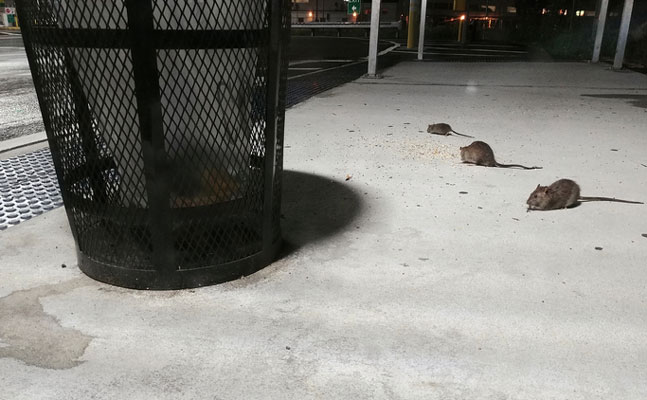
Rodent callbacks usually pick up around October as the onset of cooler fall temperatures sends them looking for a warm place to spend the winter. But last year’s bumper acorn crop could be adding to this fall’s mouse pressure.
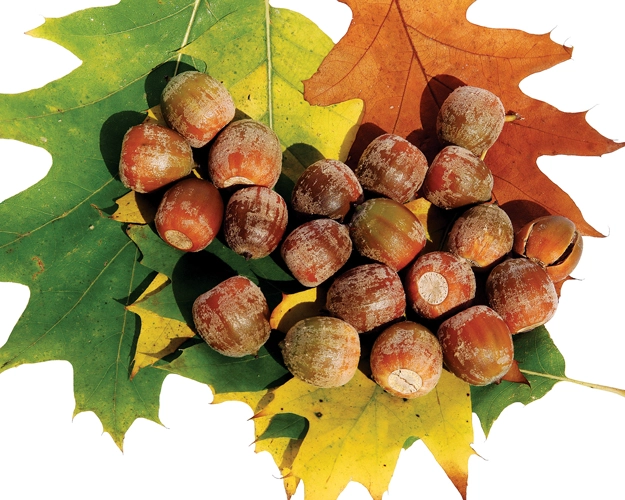
Oak trees produce acorns on a boom-and-bust cycle, with heavy “mast” years occurring every few years. Studies have shown a large acorn crop helps white-footed mice (Peromyscus leucopus) survive the winter and gives them a head start on spring breeding, resulting in a population surge the following summer and fall.
Anticipate more activity
Fall 2025 was a heavy acorn year across much of the eastern United States. In Ohio, 72 percent of red oaks bore acorns, compared with a long-term average of 56 percent. Kentucky and West Virginia also saw notable increases in acorn production compared to previous years.
At press time, most states haven’t released their 2026 surveys yet, but acorn crops often drop off the year after a mast year. That typically means plenty of mice and less food to go around as winter approaches, increasing rodent pressure around structures where they turn for food. This can be especially true for homes next to wooded lots or those in rural areas.
This same acorn cycle raises another concern: More white-footed mice mean more hosts for blacklegged tick (Ixodes scapularis) larvae. Because these mice are a primary reservoir of the bacterium that causes Lyme disease, and blacklegged ticks spread it to people, this acorn cycle also may point to higher Lyme disease risk next spring.
Provide rodent protection
Armed with this information, now is the time to start thinking about mouse prevention for your clients. Be on the lookout for conducive conditions outside the home, such as stacked firewood and brush piles, overgrown vegetation, and spillage around bird feeders.
Next, inspect structures for potential entry points. Mice can squeeze through gaps about 0.25 inches wide, so inspect carefully around utility and air conditioning line penetrations, dryer vents, weep holes, garage door seals and other door thresholds for signs of activity. Be sure to seal openings with rodent-proof materials, like hardware cloth, that can’t be gnawed through.
Finally, set expectations. Let clients know this may be a heavier-than-usual rodent season and to be on the lookout for any potential signs of rodent activity such as droppings, gnawed boxes or the pests themselves. A little preparation and communication now can pay dividends in reducing winter callbacks while also protecting your clients’ health next spring.