Listen to this content
In December 2020, while much of the world was still locked indoors, Natasha Oldham was busy building something new from the ground up. The newly minted general manager of Atlanta, Ga.-based MissQuito, a Rollins Inc. brand, was surprised to realize that this new, outdoors-only endeavor actually made sense in a locked-down, COVID-pandemic world.
“I had started out in human resources for a couple of different brands within Rollins, including Critter Control and IFC,” Oldham explains. “Jeff Campbell, my boss at the time, was looking to expand our mosquito services, but it wasn’t going as planned. Eventually, he said, ‘Well, let’s just create our own.’”
Oldham holds a master’s of business administration degree, already put in more than six years of industry experience and had a reputation for being organized and a good manager. She also was looking for a new challenge.
“I asked Jeff who was going to lead this new business, and he told me, ‘You! You are Miss Quito!’ It is the first brand Rollins ever created internally,” Oldham says.
Key takeaways
- Strategic brand building: Specialized mosquito services can serve as a low-cost, scalable business model that empowers new entrepreneurs and offers same-day service advantages.
- The power of education: Using authoritative data from health departments and “simple math” regarding population growth helps customers understand the necessity of early-season treatments.
- Technician retention through trust: Treating employees with flexibility and respect — allowing them to finish early for family time — is a primary driver for keeping high-quality staff.
- Environmental stewardship: Scheduling applications in the evening protects pollinators and builds deep trust with environmentally conscious customers.

The birth of an internal brand
Within weeks, Oldham went from human resources to operations. She and Campbell put together an internal task force of women from the company’s legal, marketing, research and training departments to create a brand that prioritizes giving back to families the joy of spending time in their yards without worry of pest-borne disease or bites. As a franchise, MissQuito focuses on empowering female entrepreneurs with a low-cost, scalable business model, as well as training, support and up to 90 percent in-house financing.
“New franchisees come to Rollins’ Atlanta training center, and they spend time in classroom training. They also spend time out in the field with our technicians,” Oldham explains. “We started out with an all-women workforce and, over time, we have incorporated male technicians. The leadership team is still all female.”
Six years later, Rollins’ MissQuito brand continues to stand as a prime example of why mosquito and other public health services, like flea and tick control, are more than just “add-ons.” They can be essential tools for business growth and community safety.
Trust your hires
For many pest management professionals (PMPs), finding and keeping good technicians is a constant battle. Oldham says that following the golden rule of “treat others how you’d like to be treated” can go a long way for both employees and customers.
“We trust our technicians to work independently,” she adds. “As long as you get to your customers and complete your work, you can end your day before schedule. Go pick up the kids, spend time with your family and enjoy your day.”
While trust is given, it is backed up with data from GPS devices in the vehicles. MissQuito technicians can take their vehicles home, which gives more flexibility. But Oldham notes this is only doable by hiring employees who possess an ethical, self-starter personality.
“We tend to ask a lot of behavioral questions during interviews,” Oldham explains. “I can teach the work to anyone, so I want to see whether they have integrity and motivation. We want people who take pride in saying, ‘This is my customer. I am responsible for making sure their family is comfortable.’”
Education is the best defense
While Oldham focuses on the people, Roger Tayfel, owner of Culex Pest Control in Willowick, Ohio, focuses on the “why.” He says his biggest challenge in mosquito work is addressing concerns about product safety and helping customers fix the source of their pest problems.
“While we are doing our walkthrough, we point out areas of concern, such as clogged gutters, standing water and low-lying areas,” Tayfel says. “We advise the customer that in most cases, if these areas are fixed, they can greatly reduce their mosquito issues.”
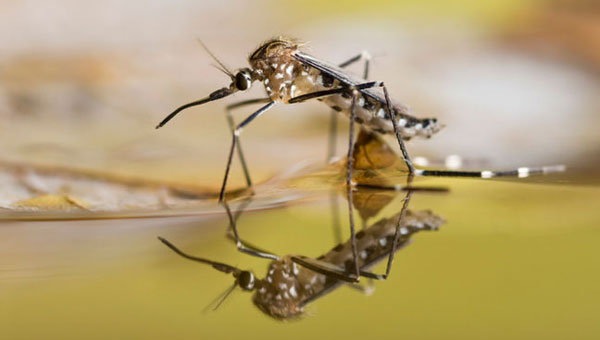
Tayfel uses materials from the Ohio Department of Health’s “Fight the Bite” campaign to give his recommendations more weight. By using “authoritative information,” he says, he empowers customers to help in the fight.
Chris McNall, regional director of operations for Mosquito Squad Plus of the Mid-Atlantic, agrees that education is key to success. He uses “simple math” to help customers understand why they should start service in early spring.
“If there are 100 mosquitoes early in the season, treatment will leave 10 to 15,” McNall explains. “But if you wait until there are 1,000, the same reduction still leaves 100 to 150. That means more bites and more mosquitoes left to breed. Starting early keeps populations low and prevents the rapid growth that makes mosquitoes harder to manage later.”
Protecting public health and pollinators
Mosquitoes often are called the deadliest animals in the world. While the risks in the U.S. are lower than in many other countries, it remains a serious public health matter. For example, McNall’s team sends emails whenever West Nile virus or Eastern equine encephalitis (EEE) is detected in the area.
“Our goal is to educate, not alarm,” he says. “Informed customers are more receptive to our services and tend to sign up more quickly because they understand that what we do helps protect them and their loved ones.”
Tayfel takes this responsibility a step further by scheduling all mosquito applications in the evening. This protects pollinators such as bees and butterflies.
“We anticipated some pushback due to convenience, but we’ve had zero resistance,” Tayfel notes. “Customers consistently appreciate our proactive efforts to protect the environment and non-target species.”
Natural business extension
For general pest control companies looking to grow, mosquito, flea and tick services are a natural fit. Because technicians are already on the property for other pests, adding outdoor protection is a low-barrier way to increase revenue.
For mosquito-centric companies like MissQuito, the service menu is specific. Technicians can treat for ants, cockroaches, fleas, spiders and ticks with perimeter treatments, but they don’t go into crawlspaces or up on ladders. This makes the brand a great option for employees who might be claustrophobic or uncomfortable with heights, Oldham says, noting that aspect helped technicians from sister Rollins brands go from worried to thriving in an all-outdoors environment.
When a sister brand makes a customer referral to MissQuito, the recommending technician receives a referral incentive. Likewise, MissQuito technicians know exactly which company to recommend when, say, a rodent is spotted, or ants find a way inside the home.
Oldham says MissQuito has the advantage of specializing in mosquitoes — usually with same-day service and always with well-trained technicians using integrated pest management strategies.
“We like to think that our services are tough on mosquitoes, but gentle on the planet,” she says. “We look at where we can eliminate breeding spots and use options like traps and larvicides alongside our sprays. We also view ourselves as partners with our customers, making recommendations and always explaining why we are doing what we do.”
Looking ahead
The appetite for public health protection continues to grow, and there’s plenty of potential business to go around. In most areas of the U.S., it’s a seasonal service, but Oldham notes MissQuito franchisees tend to have temporary employment in the colder months to offset the cold-weather drop in mosquitoes.
Tayfel calls mosquito work an excellent “foot in the door” for acquiring new customers in general.
“It opens access to niche markets, such as outdoor venues, events and homeowners associations, where mosquitoes can disrupt guest experiences,” Tayfel points out. “Mosquito service integrates seamlessly into our existing offerings with minimal additional equipment or supplies required. It builds loyalty, generates recurring seasonal revenue, drives referrals and enhances our reputation as a comprehensive outdoor protection provider. In short, it’s a high-impact, low-barrier add-on that supports sustainable growth.”
McNall agrees, adding, “Since we’re already addressing other pest concerns, reducing their mosquito population is a natural extension of the protection we already provide. And when a customer tells you their family enjoyed a cookout or a day by the pool without being bothered by mosquitoes, it’s incredibly rewarding to know our service made that possible.”