Listen to this content
Editor’s Note: This article was updated May 27, 2026 at 12:02 p.m. and will continue to be updated as new information becomes available.
At this point, most people have heard about the MV Hondius, an Oceanwide Expeditions cruise ship that has recently tied to residents across the globe being strictly monitored for hantavirus.
As of May 27, 2026, 13 people have been confirmed to have hantavirus, including three deaths, the latest occurring on May 2, according to the World Health Organization (WHO).
Of these currently confirmed cases, 11 were laboratory-confirmed for Andes virus infection, and two are probable, undergoing further testing (WHO).
One case is confirmed in North America, on Saturday, it was revealed that a Canadian passenger tested positive is being treated in hospital. Like other patients, the passenger has the Andes strain which can be transmitted from person to person. A total of 41 people across the United States are being monitored for hantavirus in connection to the outbreak on the MV Hondius cruise ship
The MV Hondius was still carrying 25 crew members and two medical personnel and docked reached Europe’s largest port on the morning of May 18. None of the crew members have shown any symptoms. Scientists from the WHO and CDC have worked to map the genome to ensure the strain is consistent in relation to the cruise ship outbreak. “The situation is stable for now,” WHO Director-General Tedros Adhanom Ghebreyesus said Sunday in a social media update.
While it is easy to panic, considering the recent COVID-19 global pandemic, there are many ways to keep your customers at ease as this story develops throughout the news cycle.
What to know about the recent outbreak
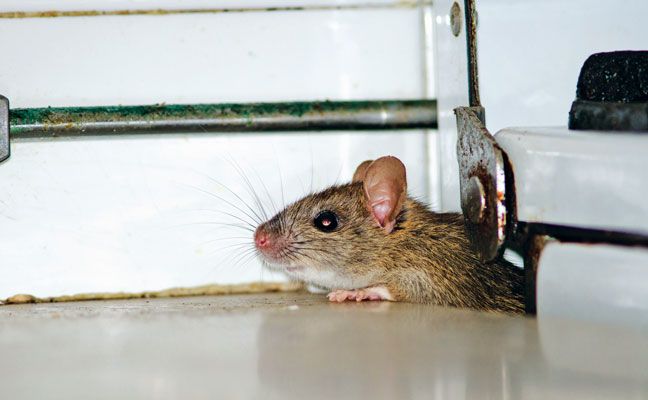
While hantavirus is typically a rodent-borne virus, spread to humans typically through contact with infected rodent feces or saliva. Officials recently confirmed this particular strain to be the Andes virus, which can, in limited cases, be transmitted human-to-human.
The WHO has insisted risk to the general public is very low. Maria Van Kerkhove, WHO’s Emerging Diseases and Zoonoses and COVID-19 technical lead, said in a news release, “This is not the start of a pandemic … While this is a serious incident, WHO assesses the public health risk as low.”
As noted in the WHO video above, human-to-human transmission has been documented only for Andes virus in the Americas and remains uncommon. When it occurs, transmission between people has been associated with close and prolonged contact, particularly among household members or intimate partners, and appears most likely during the early phase of illness, when the virus is more transmissible.
More details about hantavirus

Keep calm and get educated on hantavirus
By focusing on rodent control, we play a vital role in reducing the risk of exposure.
READ MORE
Hantavirus risks: How to clean up after rodents
Hantavirus is making headlines once again, this time after an outbreak on a cruise ship.
READ MORE
How to talk to clients about rodent disease risk
The recent spike in hantavirus news makes this April 2025 columns insights all the more timely.
READ MORE