No audio available for this content.
Fall is prime time for yard cleanup, and many of your clients will soon be firing up their leaf blowers to clear their lawns of falling leaves and branches before winter sets in.
A common recommendation is to keep a well-maintained property to comabat a wide range of pest problems. But advising your clients on exactly how they manage the accumulation of landscape debris, especially leaf litter, can be just as important in reducing tick pressure as we approach the colder months.
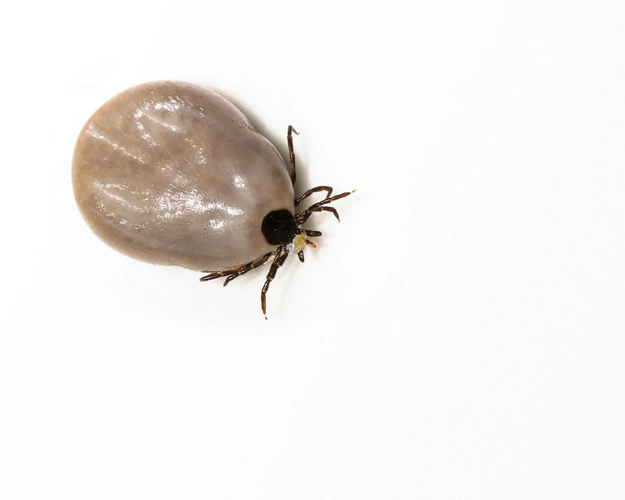
A 2020 study published in the Journal of Medical Entomology looked at the impacts of blowing leaves into the wooded edge of a property rather than bagging or composting them. Researchers found that properties with accumulated leaf piles had up to three times more host-seeking nymphs of the blacklegged tick (Ixodes scapularis) than in untouched natural edges or the surrounding forest, compared to those properties where leaves were removed.
Thick leaf litter traps moisture and moderates temperature, creating a perfect refuge for the nymphs. By concentrating leaves along the transitional edge where lawns met woods, homeowners unintentionally created a prime tick habitat where their family and pets are most likely to pass through on a daily basis. Plus, when you consider that rats and mice also use brush piles to overwinter, you now have a perfect storm of rodent harborage and tick habitat that could encourage disease transmission.
This fall, encourage your clients to rethink where their yard debris ends up. Recommend bagging leaves for curbside pickup or composting rather than blowing or raking them toward the woods. If a landscaping contractor handles the property, ask that collected leaves be hauled offsite, or at least moved well away from high-traffic lawn edges instead of piled at the property line.
Mowing and trimming vegetation along that same transition zone adds another layer of protection, keeping the border drier, sunnier and far less hospitable to questing ticks.