Listen to this content
After more than 30 years of being in the pest control industry, I’ve lost count of how many times I’ve heard “Your service costs too much.”
It’s the objection heard more than any other. When a customer says it, your gut reaction probably is to get defensive and start justifying your price by listing everything you will do for them.

Don’t do that! It’s the fastest way to kill a sale. Instead, treat it as an opportunity to show customers what they’re paying for. Focus on demonstrating the value rather than just the features.
Emphasize value
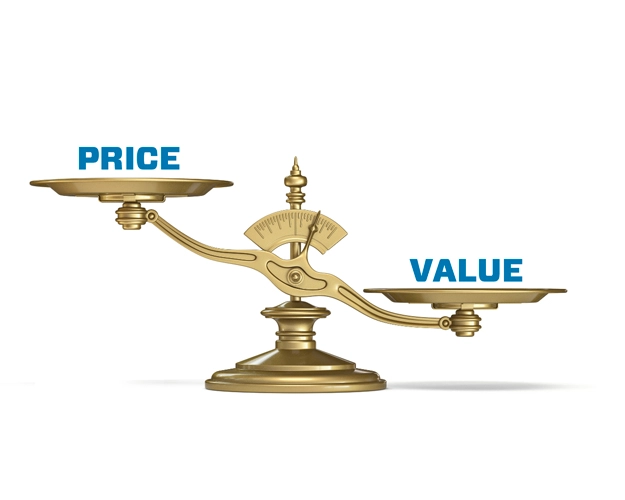
Here’s the thing to remember: Price is what people pay; value is what they get. When someone pushes back on the price, usually it’s not really about the number. They just don’t see the value yet. Something’s missing, and it’s your job to demonstrate to them why your service is worth it.
This is the struggle most people in our industry have: How do you prove the value of something people can’t really see or touch? Selling something intangible takes skill and knowledge. You need to be patient with the customer and guide them on a path to see the true value of your service. Take these four steps:
1. Just listen. Then agree with them. When a customer says you’re too expensive, don’t fight it. Agree and say something like, “You’re right, we’re not the cheapest company.” It throws people off a little and gets their guard down. Then slide into a story. Tell them about a customer who went with the cheap option, how it didn’t work, and how they ended up calling you to clean up the mess. Stories work. People remember them way more than they remember a list of features.
2. Explain what you’re doing. Don’t just rattle off the services you will be performing; instead, explain to them what it actually means for their home or business. Performing a termite inspection and finding an active colony? Inspecting a food production plant and coming across the source of a long-term pest issue? Explain why you are conducting your inspection, what you found and how this may impact their home or business. Don’t just go through the motions of the inspection; be the investigator. You are there looking for the things that other companies might have missed. At the end of the day, people are not really buying pest control. They’re buying peace of mind that you will be there to solve their problems the right way.
3. Be upfront about your pricing. We all know that providing pest control the right way takes time and real skill, so say that. Discuss the ongoing training your technicians undergo, emphasizing that it is not a one-time event. Talk about your service methods, not your service features. You don’t need to trash talk the competition, but you can point out that sometimes cheaper companies cut corners to hit their margins, which really means the job doesn’t get done the right way. Sometimes it requires two or three services that somehow end up costing the customer more without even realizing it. Charging what your service is worth and doing it right the first time saves everyone money and headaches later on.
4. Don’t cave on your price. If you drop your price the second someone pushes back, you’re basically telling them your original price was made up and that it was actually higher than it should be. Instead, lean into the value conversation. Remind them what problem you’re solving for them. It’s a balancing act, though, because you don’t want to just repeat yourself. Sure, sometimes a discount makes sense, but not the moment someone flinches at the price. That flinch only confirms to the customer they were right all along: Your price is too high.
Selling pest control comes down to trust and knowledge. If you talk like you believe in what you’re offering, customers stop staring at the price tag and start thinking about the results. Get good at demonstrating the real value of your service, and the sales will start to come more easily.