Listen to this content
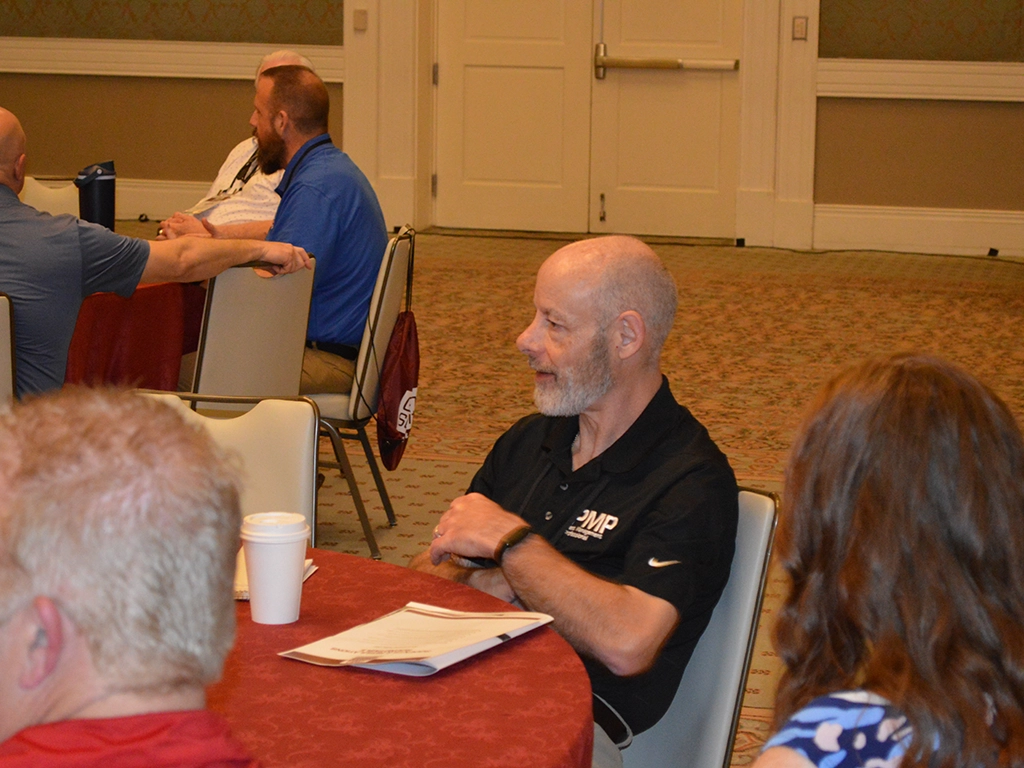
Senior Editor Diane Sofranec and VP of Content Marty Whitford moderated discussions on the industry’s most pressing technical and regulatory challenges: the intersection of public health and the evolving EPA landscape.
Key takeaways
- Education as a tool: Many customers don’t realize the severity of infestations; PMPs must educate them on the health risks to build trust.
- EPA shifts: Looming Proposed Interim Decisions (PIDs) from the EPA could reclassify rodenticides and increase labor costs.
- Mission-critical exclusion: As chemical options become more regulated, identifying entry points and implementing exclusion techniques will become a primary revenue driver.
The human impact of pest control
Scott Ballard of Ballard Pest Management shared a poignant story of a customer who hadn’t let her family visit for 10 years due to a cockroach infestation. After his “Roach Queen” technician cleared the home, the customer was moved to tears. “At the end of the day, this is a people business,” added Indea Williams of IRB Pest Management, emphasizing that listening to clients builds the trust necessary to service entire neighborhoods.
The regulatory tightrope
The EPA is currently reviewing rodenticides, with new PIDs expected in late 2026 or early 2027. Dan Baldwin of Hawx Pest Control warned that these changes could limit the “weapons” in a PMP’s toolbox and significantly increase costs. Andrej Branc of PelGar International noted that hiring and training will become even more challenging as the segment becomes more regulated.
Adapting through exclusion
Margie Alsbury of Manning’s Pest Control noted that exclusion work is already a major revenue generator. Experts like Nate Pops of Quality Pest Services agreed, stating that identifying and eliminating entry points is as critical as removing food sources, especially as the industry prepares for a future with more restricted pesticide use.