Listen to this content
The mystery of what causes a thriving social insect colony to suddenly vanish has long puzzled biologists. However, new research is beginning to pull back the curtain on the molecular triggers that lead to these dramatic collapses.
Key takeaways
- The uric acid trigger: A buildup of uric acid in worker termites weakens their immune systems and increases susceptibility to pathogens, leading to colony failure.
- Social structure shifts: Colony collapse is often preceded by changes in reproductive structure, such as when workers must replace a lost king or queen.
- Biodiversity breakthrough: Researchers have identified Cryptotermes mobydicki, a new drywood termite species with a unique, whale-like head shape.
The physiological cost of colony collapse
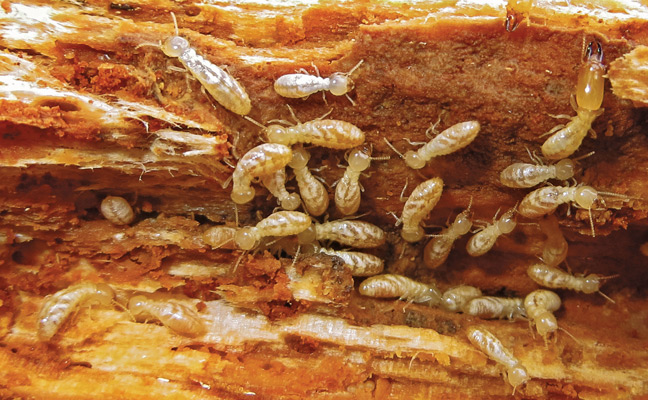
New research from Kyoto University has identified a specific physiological trigger for termite colony collapse: the accumulation of uric acid within worker populations. Focusing on the Japanese termite (Reticulitermes speratus), researchers found that this waste product buildup leads to weakened immune responses and higher mortality rates among the worker caste.
“Insect colonies, maintained by the cooperation between queens, kings and workers, can suddenly collapse,” says lead author Dr. Takao Konishi. The study aimed to uncover the exact molecular factors contributing to these sudden breakdowns.
Reproductive shifts and chemical imbalance
The team’s fieldwork revealed that changes in a colony’s reproductive structure — specifically when a worker is forced to take the place of an injured or killed queen or king — seem to prompt this uric acid accumulation. By artificially increasing these levels in the lab, the researchers confirmed a reduction in the insects’ immune responses and reactive oxygen species (ROS) levels. Dr. Konishi notes that future studies will investigate if this phenomenon extends to other social insects like ants and honeybees.
A “Whale” of a discovery in the rainforest
Dr. Rudi Scheffrahn, a leading termite expert and North America’s only termite taxonomist, recently helped discover a new drywood termite species in the South American rainforest treetops.
Meeting the Moby Dick termite
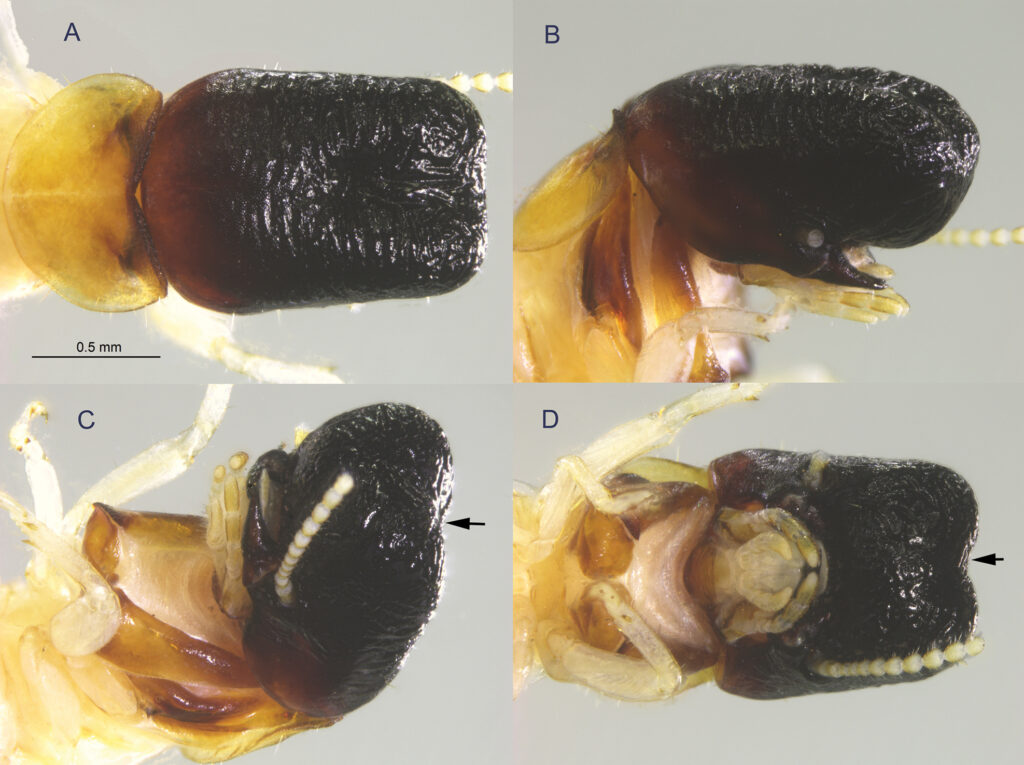
The new species, Cryptotermes mobydicki, earned its name — and its common name, the “Moby Dick termite” — due to its comical and unique physiology. The termite possesses a massive head and recessed mandible that bear a striking resemblance to a sperm whale (Physeter macrocephalus).
While the species is not considered a pest, Dr. Scheffrahn emphasizes that its discovery serves as a powerful reminder of the vast biodiversity still waiting to be cataloged in the world’s most remote environments. “This termite is unlike anything we’ve ever seen,” Scheffrahn remarked, bringing the total number of known South American Cryptotermes species to 16.
For more on the discovery: https://www.rudolfscheffrahn.com/
Final thoughts
Whether it is the internal chemical balance that maintains a colony’s health or the physical evolution of species in the wild, the study of termites continues to offer surprising insights into the complexity of social insects. Understanding these mechanisms not only aids in biological science but helps the industry appreciate the sophisticated nature of the pests we manage every day.