Listen to this content
When thinking about being prepared for an emergency, we must consider all employees.

In the field
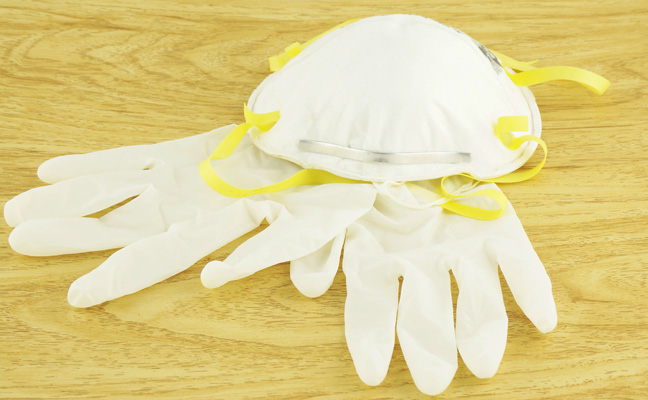
Is the equipment your technicians use in good working condition? Do they wear nonslip footwear? Do you conduct regular checks on ladders? Expand your checklist to include eye and ear protection, gloves and bump caps.
What about portable eyewash devices for your vehicles? As techs make their way around a structure while treating, do they avoid slips, trips and falls? When they are trying to maximize stops, techs may end up working too fast, walking too fast, and walking when daylight is fading.
On the road
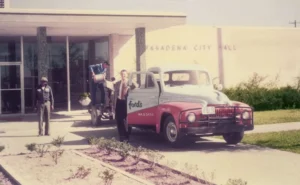
Who is checking your vehicles to make sure they are in good working condition? Who is checking the tires for both wear and correct pressure? What about vehicle maintenance, like oil changes?
You may be thinking your state requires you to have annual safety inspections, but things change fast, and pest management professionals (PMPs) drive more miles than the average person. I strongly recommend having a personal relationship with your mechanic and making sure they conduct a full safety inspection whenever a vehicle is in for an oil change or repairs.
If you are spread out and not all vehicles are serviced at the same shop, ensure that each shop sends an inspection report to you. Inspection reports should include tire wear, brakes, lights and overall vehicle tidiness.
When you conduct a vehicle inspection, do you require company vehicles to be clean inside and out? In addition to being a moving billboard, your vehicles can become mobile garbage cans, with debris rolling around that can either distract the driver or interfere with their feet while driving.
What about when the weather forces us to close the office and call everyone off the road? Do you have a phone tree so that if a weather event happens quickly, no one is caught on the road when you don’t want them to be?
In the office
Do you have a kitchen in your office and allow employees to use it to prepare their lunches? Is a stove available for cooking? Do you have fire extinguishers or, better yet, fire blankets nearby? Do you keep fire extinguishers where trucks might be indoors or where smoking is allowed? These are just starting points. You need to make sure those fire extinguishers are in working order as well.
What about keeping all your employees safe from intruders? Is there an area where visitors wait and are supervised? Do you have cameras in your buildings to monitor activity?
Who in the building is responsible for greeting guests? Does that person have an easy way to communicate with others in the event the “guest” is not a welcome one? Are there stairs in your building? Is there a handrail at every one?
The list of how to prevent emergencies goes on and on. You need to think through every area, every scenario, every interaction and try to make sure you don’t get surprised. Don’t assume safety protocols are only for the big guys, either; they are for all of us. When we take on a new employee, we are also taking on the responsibility for doing all we can to keep them healthy and safe at work.
Now, go knock ’em dead! (The pests, that is!)