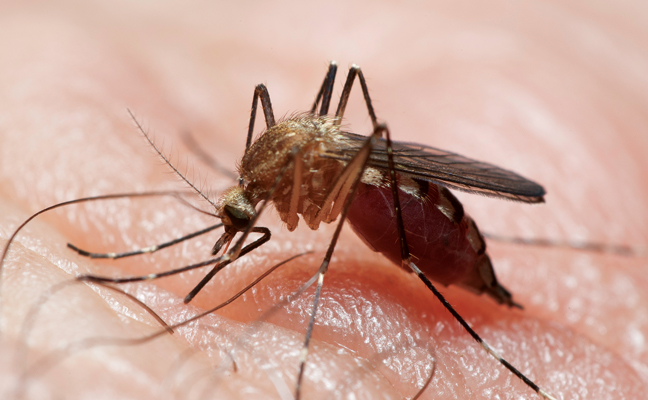
5 tips for getting ahead of mosquito season
With the continuing increase in humans traveling to and from known regions where mosquito-transmitted diseases are prevalent, the probability of new outbreaks in new areas increases. Just because you work in an area where there is no concern today, tomorrow could be different.
When that happens, are you ready with an integrated pest management (IPM) program and communication strategy to alleviate customer concerns? It’s easy to overlook a few things when gearing up for the season.
Key takeaways
- Audit your readiness: Verify insurance coverage and replenish PPE and repellent inventories before the season peaks.
- Expand service offerings: Consider add-on services like gutter cleaning, screen repair and treating bromeliads to create new revenue and better results.
- Look for the “hidden” sites: Mosquitoes breed in unconventional places like loading dock bumpers, AC pans and basketball hoop bases.
- Plan for disasters: Have a specific protocol ready for post-hurricane scenarios when breeding sites skyrocket.
Five steps to ensure you are ready
1. Check your insurance and certification Check your insurance policy and the state pesticide certification agency to ensure you are covered for mosquito management control. Just because you were in the clear last year doesn’t mean you are this year.
2. Update technician PPE Provide technicians with appropriate personal protective equipment (PPE) and mosquito repellent to reduce the chance of bites. Again, last year’s inventory may need to be replenished and updated.
3. Refresh your educational literature Consider what kind of literature or other information you have for your team to give customers and potential customers. Proactive communication is good not only for sales and marketing but also for managing expectations. Ask your product manufacturers and distributors for training materials, or check with local regulators like the University of Florida for educational tools.
4. Prepare a secondary service crew Prepare a crew to be ready to repair screens and clean gutters. Even minor add-on services like treating bromeliad plants and unused swimming pools or adding appropriate fish to small ponds could open up a new revenue source and set you apart from the competition.

5. Formulate a disaster plan If a hurricane hits your area, your existing program may be obliterated. You will need to rebuild and reinforce, as mosquito breeding locations skyrocket after a hurricane. Note that even your own rodent bait stations may become new mosquito breeding areas after heavy flooding.
Identifying unexpected breeding areas
Mosquito breeding areas can be diverse and often hide in plain sight. Throughout my career, I’ve encountered several unconventional sources that required a keen eye to spot:
- Window air conditioners: In a NYC hospital, water stagnated in a bent condensation pan because the unit wasn’t properly sealed.
- Supermarket sub-floors: Near beaches, salt water can flood the area under the floor, creating thousands of adult mosquitoes by morning.
- Loading dock bumpers: Rainwater can stagnate inside ripped bumper cushions on loading docks, creating a perfect breeding source that is often overlooked during exterior inspections.
- Basketball hoops: The plastic, water-filled bases used for stability in driveway hoops are prime real estate for mosquitoes to enter and breed.
Conclusion
By taking these proactive steps—from auditing your insurance to training your team to look for non-traditional breeding sites—you ensure that your company remains a leader in public health. Don’t wait for the first outbreak to realize your program needs updating. Prepare now to manage both the pests and your customers’ expectations effectively.
About the Author

Dr. Frishman, a PMP Hall of Famer (Class of 2002), can be reached at PMPEditor@northcoastmedia.net.



Leave A Comment