Listen to this content
This year’s Olympic spotlight isn’t on athletes — it’s on stoats.
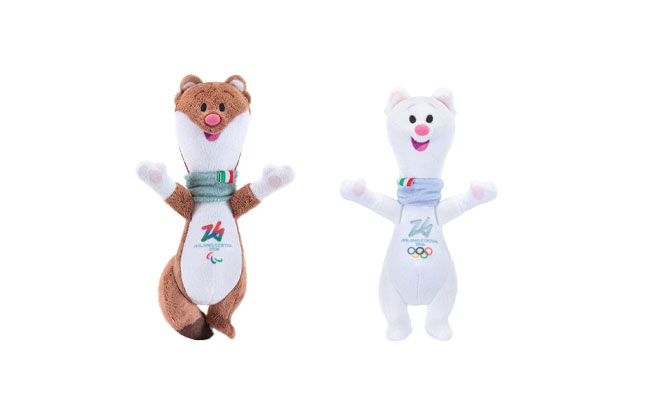
For the 2026 Winter Olympics in Milan-Cortina, the official mascots are Tina and Milo, a pair of stoats, otherwise known in North America as short-tailed weasels (Mustela erminea), chosen to represent the Olympic and Paralympic Games. Tina takes her name from Cortina d’Ampezzo, while Milo nods to Milano, tying the mascots directly to the host cities.
Why a Stoat?
Stoats are small, fast and fierce — qualities any Olympian can appreciate. Native to alpine and mountainous regions, they’re well-suited to snowy environments and are known for their agility, adaptability and resilience. In winter, stoats famously turn white, blending into snowy landscapes, a natural fit for the winter games and a subtle nod to harmony with nature.
Fun Stoat Facts
- Despite often being confused with ferrets or mink, stoats are wild animals with a serious reputation in the animal kingdom.
- Stoats can leap several times their body length — long jumpers, take note.
- They’re known for quick reflexes and strategic hunting, traits mirrored in competitive winter sports.
The pair of stoats are available for purchase in stuffed animal form from the Olympic Shop.
Previous captivating Olympic mascots
Vinicius – Rio 2016: The name of the Olympic mascot pays tribute to Brazilian poet and lyricist Vinicius de Moraes and was a mix of different Brazilian animals. His design took inspiration from pop culture as well as video game and animation characters.
Bing Dwen Dwen – Beijing 2022: “Bing” means ice and also symbolises purity and strength and “Dwen Dwen” represents children. The mascot embodies the strength and willpower of athletes and will help to promote the Olympic spirit.
Sam – Los Angeles 1984: Sam, designed as a friendly bald eagle, donned the stars and stripes, showcasing American patriotism on the world stage.