Listen to this content
Inspectors can only report what they can see, and treatments are not an instant magic wand. In the world of wood-destroying organism (WDO) management, an inspection today does not guarantee the future to be pest-free. To manage liability, companies must ensure that high-risk WDO inspections are meticulous tasks requiring much care and consideration by an inquisitive mind.
Standardizing your technical walkthrough is the only way to avoid the “double standard” that plaintiff lawyers often exploit in court.
Key takeaways
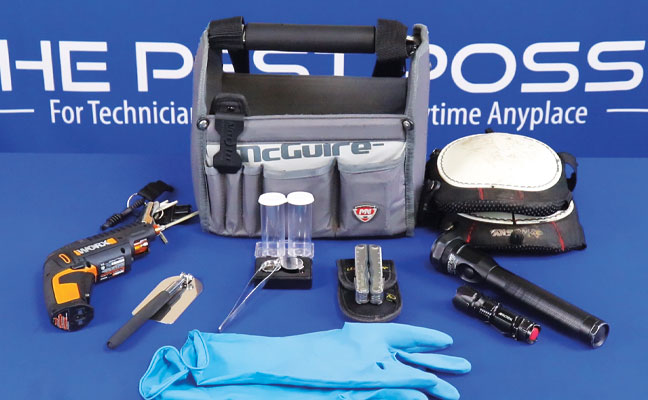
- Standardize the toolkit: Every inspection should use the same set of tools — including moisture meters and sounding tools — to maintain a consistent company standard.
- Target high-moisture zones: Subterranean termites can be found well above grade if a roof leak or consistent moisture source is available.
- Vet your inspectors: Select detail-oriented candidates who are savvy in construction, particularly for real estate transactions where meticulousness is paramount.
The professional inspection toolkit
Before heading to an appointment, inspectors should make sure they have all the necessary tools. This includes work orders, field sheets for notes, a probing and sounding tool and a nondestructive pad-type moisture meter.
While modern tools like electronic detection exist, companies should set a clear policy: special tools are only for special situations. Otherwise, those same tools will be expected to be used for every inspection. Consistency in your methodology is your best defense against claims of negligence.
Identifying high-risk areas
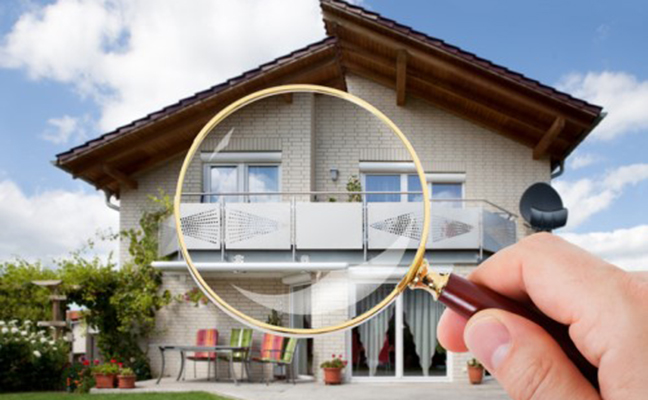
Opinions vary as to which areas of a structure to inspect, but it is critical to inspect the entire structure. Subterranean termites are not strictly limited to the foundation; they can be found well above grade.
Inspectors must be particularly vigilant around roof leaks or any other consistent source of moisture, as these provide the necessary environment for termites to thrive away from the soil. By understanding construction — especially in complex real estate transactions — inspectors can better predict where these hidden “high-risk” zones are likely to be located within a building’s frame.
Training for technical accuracy
The most experienced employees who have done the treatment work usually make the best inspectors, but that’s not always the case. Inspector training should always be a priority, utilizing both inside and outside training to enhance skills.
Many states offer voluntary accreditation programs and in-person conferences where these technical topics are discussed. By participating in these, you can set your company apart as a technical leader while ensuring your staff is trained to handle the meticulous nature of a WDO report.