For the most part, cockroaches are the bread-and-butter insect of the professional pest control industry. But it seems the more we know about them, the more we realize what we don’t know.
As the industry evolves, so does the science behind the pests we manage every day. Researchers are uncovering critical data that extends beyond basic biology and into the realms of environmental health, advanced disease transmission and the methods used to study insect behavior.
Explore the findings below to see how this new data might impact your business and public health.
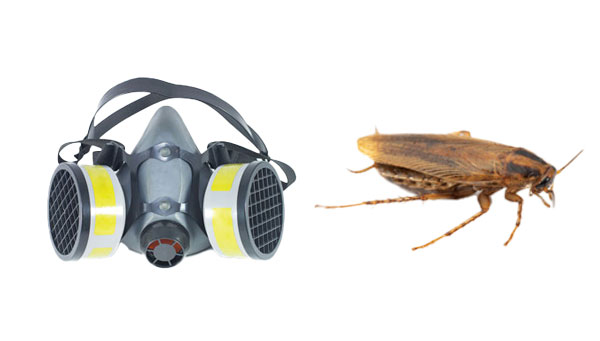
1. Air quality: Cockroach endotoxins in the home
The study: North Carolina State University (NCSU)
The focus: Blattella germanica and environmental health
New research from NCSU links residential cockroach infestations to dangerous levels of indoor contaminants. The study found that the size of an infestation directly correlates with the concentration of endotoxins — bacterial components released when bacteria die — in both settled and airborne dust.
This research underscores why “knockdown” isn’t enough; the study suggests that targeted pest control is essential for respiratory health.
Read PMP’s summary on the NCSU endotoxin study
2. Disease risks: Salmonella replication and resistance
The study: Purdue University
The focus: Pathogen transmission and antimicrobial resistance (AMR)
Dr. Jose Pietri at Purdue University is challenging the long-held belief that cockroaches are merely passive carriers of Salmonella. His lab has discovered that the bacteria actually replicate within the cockroach gut, establishing long-lived populations.
This finding raises alarms about antimicrobial resistance (AMR), as Salmonella could potentially acquire resistance traits from other gut bacteria before being passed to humans.
Read PMP’s summary on Purdue’s salmonella research
3. Research methods: How tags affect roach activity
The study: University of Aberdeen
The focus: Blaptica dubia and research methodology
Does the way we study insects change how they act? A new paper from Scotland’s University of Aberdeen suggests it does.
Using AI analysis tools, researchers compared cockroaches fitted with RFID tags against those fitted with visual marker tags. The results showed that visual markers caused the insects to move faster and explore more — likely due to stress — while RFID tags yielded natural behavior. This study provides a critical baseline for interpreting future pest control research.
Read PMP’s summary on the University of Aberdeen tracking study
These studies represent a significant shift in how we understand the German cockroach. It is no longer just a nuisance pest; it is a complex vector for environmental toxins and evolving pathogens. Staying current on this research is essential for PMPs who want to provide the highest level of public health protection.
About the Author

Heather Gooch is the editor-in-chief for PMP magazine. She can be reached at hgooch@northcoastmedia.net or 330-321-9754.


This is incredibly educative and insightful. I’ve learned a lot from it. Keep up the good work.
Dirty Air: The more roaches there are, the more they spoil the air inside a home. Pest control workers must completely remove all roaches to help people breathe better and stay healthy.
Growing Germs: We learned that dangerous germs like Salmonella actually grow inside the cockroach, which means roaches can spread diseases that are much harder to treat.