Callback Cures: Why ants go MARCHing
It’s that time of year again when winter temperatures fade away, the ground gets soggier, and your service schedule starts to fill with reports of ant activity. For pest management professionals (PMPs), that’s our cue that ant season has officially begun.
Key takeaways
- Understand the transition: March is a pivotal period where rising temperatures and moisture trigger colony reproduction and increased foraging.
- Identify heat traps: Focus inspections on south-facing walls and debris that create “greenhouse effects” for overwintering pests.
- Prioritize habitat modification: Reducing harborage sites in early spring is the most effective way to prevent seasonal callbacks.
The science of the spring transition
March is a key transition period for many pest ant species as increased rainfall, warming soil temperatures, and longer days kick colonies back into gear for the year. What’s taking place beneath the soil now is setting the stage for ant pressure for the rest of 2026.
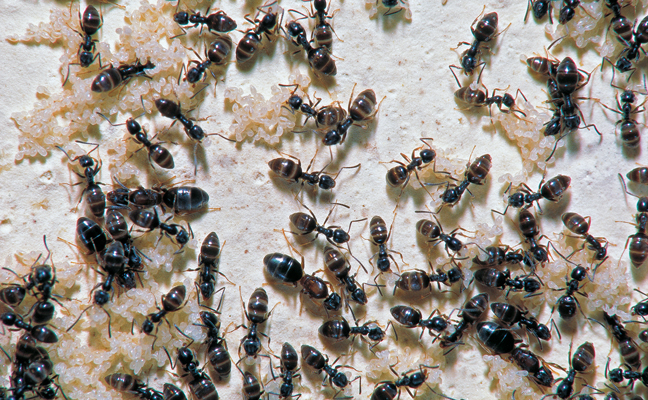
Photo: ©Gene White
Nutritional shifts in the colony
In early spring, ant colonies transition out of overwintering mode and start focusing on reproduction. This means workers ramp up foraging efforts to secure as much food as possible to support the increase in brood development and accelerated colony growth.
For many ant species, this means a noticeable preference toward high-protein foods to sustain the queen’s egg production and to feed the growing brood. As worker ant numbers climb, the demand for carbohydrates increases to keep pace with the high-energy needs of the foragers traveling long distances in search of resources.
1. Target high-warmth zones
Ants need warmth to become active, so pay close attention to south-facing walls and foundations, expansion joints, utility penetrations, and landscaping areas that are likely to warm up first.
2. Identify artificial refuges
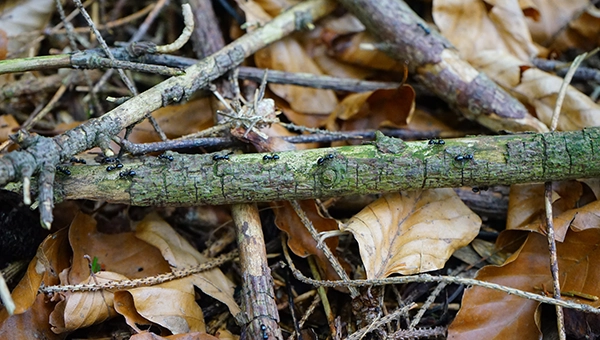
Look for objects such as traps or other debris that may create a greenhouse effect underneath. Trapped heat creates the perfect refuge in cold weather.
3. Implement early habitat modification
Don’t let your client’s property be a welcoming place for ants. Habitat modification should be a year-round focus, but it’s especially important in the early spring months before temperatures become favorable to ants, to reduce potential harborage sites and foraging activity.
Getting ahead of the season
This year, March isn’t just the start of another ant season. It’s your month to get ahead of ant callbacks through a proactive, early-season strategy to stop these tiny pests from marching any further into the year.
About the Author

Dr. Bentley is VP of training and technical services for the National Pest Management Association. You can reach him at mbentley@pestworld.org.





Leave A Comment