New research has identified a physiological trigger for termite colony collapse, tied to internal chemical balance — specifically, the accumulation of uric acid within worker populations.
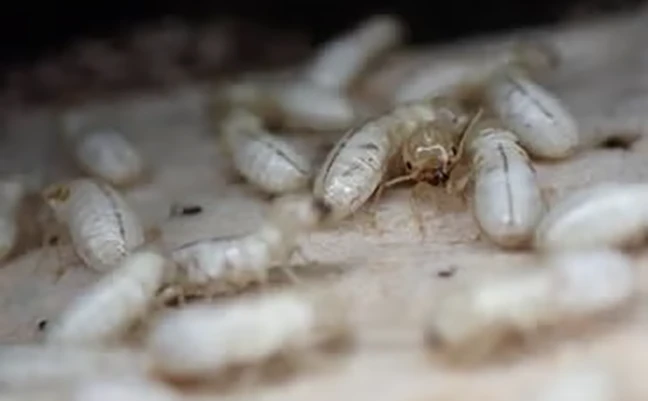
The study demonstrates that when uric acid builds up in workers, it is associated with:
- Weakened immune responses
- Increased susceptibility to pathogens
- Higher mortality within the worker caste
Reframe “colony elimination” as internal disruption
This research reinforces that effective termite control does not require immediate kill of large numbers of individuals. Instead, destabilizing internal colony conditions—particularly worker health and survival—can initiate collapse.
This aligns directly with strategies that:
- Prioritize colony-wide impact over contact kill
- Rely on transfer effects or delayed action mechanisms
- Target worker-mediated processes rather than visible activity
The worker caste is the primary vulnerability point
The findings highlight workers as a critical failure point in colony stability. Since workers are responsible for feeding, maintenance and care of reproductives, increased mortality or weakened immunity at this level creates cascading effects.
For PMPs, this supports:
- Focusing treatment strategies where workers forage and feed
- Leveraging systems that are carried back into the colony
- Viewing visible worker activity as an entry point to systemic disruption, not just a surface issue
Leveraging pathogen susceptibility in control strategies
The documented link between uric acid buildup and higher infection risk introduces a key biological insight: termite colonies can collapse when disease pressure intersects with weakened physiology.
In practice, this supports approaches that:
- Exploit biological or microbial stressors within the colony
- Enhance conditions where pathogen spread is more likely within termite networks
- Recognize that colony health, not just population size, is a controllable variable
Explaining delayed results to customers
Because colony collapse is tied to internal processes rather than immediate mortality, results may not appear instantaneous.
This research provides a scientific basis for explaining why:
- Activity may persist temporarily after treatment
- Reduction can appear gradual before a sudden collapse
- “No immediate kill” does not mean treatment failure
Supporting baiting and transfer-based systems
The study’s findings are consistent with control methods that depend on distribution through the colony and cumulative physiological impact
Rather than relying on repellency or fast knockdown, these approaches:
- Allow termites to continue normal behavior while spreading active ingredients
- Create internal stress conditions that weaken the colony over time
- Ultimately trigger systemic collapse mechanisms similar to those observed in the study
Bottom line for technical programs
This research shifts the focus from external control to internal destabilization. Termite colonies are not just structural pests—they are chemically regulated systems.
For PMPs, the practical implication is clear: successful control strategies are those that disrupt the biology of the colony from within, particularly by targeting worker health and the processes that maintain colony stability.
Full research piece
To read the full research piece, visit: https://phys.org/news/2026-03-colony-chemistry-reveals-destroys-termite.html
About the Author

RJ Simon is the digital media specialist for PMP magazine. He can be reached at rsimon@northcoastmedia.net or (216) 675-6001.


Leave A Comment