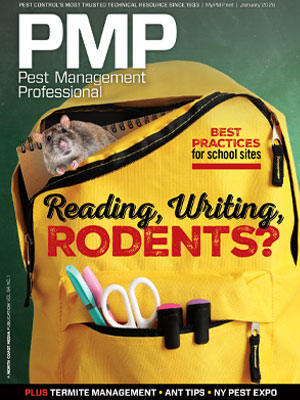
No audio available for this content.
Rodents are among the most persistent, costly and reputationally damaging pests a professional can be called to eliminate. They gnaw through wiring, contaminate food supplies, transmit serious diseases and reproduce at a pace that turns a minor sighting into a major infestation seemingly overnight. Managing them effectively demands more than a trap and a bait station — it demands a system.
Know what you’re dealing with before you deploy anything
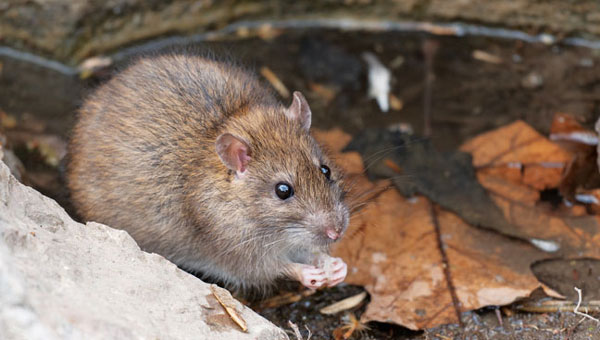
This supplement from Pest Management Professional opens with something every PMP should have at their fingertips: a detailed field identification guide covering the three primary commensal rodent species. House mice, Norway rats and roof rats each have distinct physical characteristics, behavioral patterns, preferred habitats and reproductive rates that directly shape how you approach control. A comparison table covers weight, body dimensions, tail proportion and ear size, making species-level identification fast and reliable in the field.
A five-part IPM framework you can put to work immediately
The core of the supplement is a comprehensive integrated pest management framework built around five focus areas: assessment, monitoring, elimination, coordination and prevention. Each section is packed with actionable best practices — from structured inspection calendars and remote monitoring strategies to rodenticide placement guidelines, exclusion techniques and sanitation protocols.
The details that separate good programs from great ones
You’ll also find a seasonal activity guide showing how rodent pressure shifts throughout the year and how your inspection priorities should shift with it, plus a roles and responsibilities matrix that keeps all stakeholders aligned and accountable.
Download it now and bring a sharper system to every rodent account
Whether you’re building a new program from scratch or tightening up an existing one, this supplement delivers the science, the structure and the field-ready tools to help you win.