Listen to this content

Designed to help deter Canada geese (Branta canadensis), the Bird-X GooseBuster Pro is a single-speaker sonic bird deterrent system that broadcasts a rotating sequence of naturally recorded goose alert and distress calls, along with predator sounds. These audio signals are intended to disrupt typical goose activity patterns and discourage geese from settling in treated areas of up to approximately 1.5 acres. The weather-resistant unit is fully programmable, allowing users to adjust sound selection, intervals, volume, and operating schedules (day, night, or 24-hour use) to suit the application.
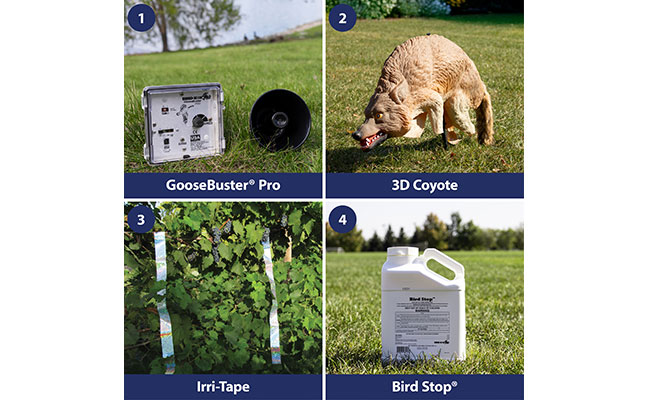
For expanded coverage, contact the Bird-X sales department about the GooseBuster Pro Premium Bundle. This bundled solution includes one GooseBuster Pro unit, two 3D Coyote predator decoys, 100 feet of Irri-Tape visual deterrent, and one gallon of Bird Stop liquid bird repellent. When used as directed and as part of an integrated bird management program, these products are well-suited for larger properties such as homeowner associations and apartment communities.
About Bird-X
Bird-X is a global leader in bird control solutions, proudly serving the pest management industry since 1964. For over 60 years, its innovative products have helped protect properties from the costly damage and health risks caused by nuisance birds. From ultrasonic and sonic deterrents to visual, physical and sensory solutions, Bird-X offers a comprehensive line of bird control tools tailored to the unique challenges of each site.
Bird-X is committed to advancing the industry through excellent service, customized training and reliable, high-quality products. Its exclusive, trademarked PCO Select program, designed specifically for pest control operators, offers added value through three essential pillars: the right product, same-day shipping, and trusted quality and performance. PCO Select empowers professionals with the tools, support and confidence they need to deliver bird control services.