Listen to this content
In the world of mosquito control, technical proficiency is the bridge between a simple application and true population reduction. As environmental conditions shift, PMPs must stay “equipped and ready” by understanding the biological nuances that dictate treatment success in the 2026 season.
Key takeaways
- Biological expansion: Species like the yellow fever mosquito (Aedes aegypti) are expanding their ranges into new territories, requiring PMPs to adapt their identification skills.
- Environmental drivers: Warmer temperatures and shifting rainfall patterns are helping populations thrive in areas previously considered low-pressure zones.
- Comprehensive strategy: Technical success relies on a dual-pronged approach that targets both larval habitats and adult resting sites.
A word from the experts on efficacy
According to our industry sponsor at CSI-Pest, Heather Patterson, mosquito management services “continue to represent a valuable opportunity” because of the increasing complexity of the pest’s environment. The 2026 season is defined by backyards and porches “teeming with life,” which necessitates a technical approach that is both proactive and precise.
Shifting ranges and species pressure
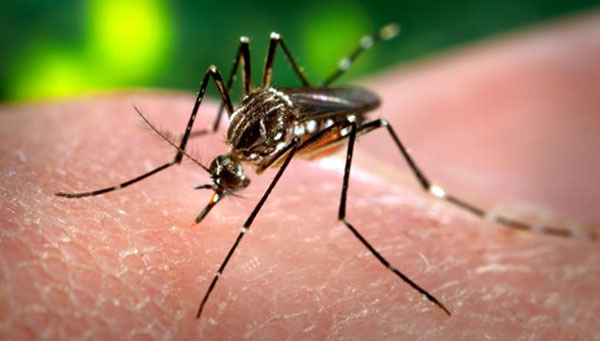
A major technical challenge for 2026 is the movement of specific species. “We’ve also seen some species, like yellow fever mosquitoes (Aedes aegypti), expand their range into new areas in recent years,” Patterson notes. This expansion is fueled by “warmer temperatures, shifting rainfall patterns and expanding urban development,” all of which help mosquito populations thrive in many parts of the United States.
The role of public awareness
Public health is a major driver of the technical side of the business. “With increased public awareness of mosquito-borne illnesses, mosquito control stays top of mind for property owners,” Patterson explains. This awareness puts pressure on PMPs to deliver “reliable solutions that reduce mosquito pressure” so homeowners can comfortably enjoy their properties without the looming threat of vector-borne disease.
The Foundation of a Successful Program
The technical consensus is clear: success “begins with understanding mosquito biology and applying a comprehensive control strategy.” This involves more than just a barrier spray; it requires the PMP to be a student of the environment, identifying micro-habitats where larvae develop and adults harbor during the heat of the day.

As species continue to adapt to urban environments, the technical expertise of the PMP becomes the homeowner’s strongest defense. By staying ahead of range expansions and biological trends, professionals ensure their services remain a “golden opportunity” for growth.
Which mosquito species have you seen migrating into your service area for the first time this year?
This article is part of our 2026 Mosquito Management Supplement. For a deep dive into the latest industry statistics, visit: